Sometimes you may not feel like wearing your glasses, at times like these contact lenses can be life-changing.

They’re incredibly convenient, comfortable to wear and very easy to use once you’ve got the hang of them. But contact lenses do need a certain level of care.

From the best way to clean contact lenses to spotting some of the classic warning signs of a contact lens-related problem, here are our six top tips to keep your eyes healthy when wearing contact lenses.

1. Wash your hands properly before putting them on (or taking them out)

Over the day, your fingers touch all kinds of things that are covered in germs – your phone, your keyboard, door handles – and transferring these germs to your eye could cause a nasty infection. So, to avoid spreading harmful microbes, wash your hands thoroughly with soap for at least 20 seconds, rinse well with water and dry your hands well and hey presto, you’re ready to put your contacts in or take them out.

2. Clean the case properly and regularly

There are different types of lenses – from dailies, to lenses which last over a year – and if you have a reusable variety, it’s important to regularly clean their case to avoid a build-up of bacteria, and replace the case with every new bottle of solution. (Cases need only be full of solution when lenses are in them). Wash your hands (as above), tip out any old contact solution from your case into the sink and you’re ready to start cleaning. Scrub the case with your finger or a clean tissue to remove any biofilm, rinse the case with multi-purpose contact solution and then air dry your case face down on a clean tissue avoiding any contact with water. Finally, refill with fresh contact solution, when you next need to use the case.

Person sleeping

3. Don’t sleep with your lenses in

It’s the end of the day and all you want to do is climb into bed and go to sleep… but don’t forget to take your lenses out first! Unless you’ve had the okay from your optometrist, sleeping with your lenses in is a big no-no, even a short nap is not ok. Not only will the lenses likely get sticky and uncomfortable, but it can lead to infection, corneal abrasion, corneal ulcers or corneal scarring, which may permanently affect your vision.

4. Don’t apply lenses that are dirty, dusty or damaged

Dropped your lens on the floor and in a rush? Don’t just pick it up and put it straight on your eye – there is no such thing as the three-second rule when it comes to contact lens hygiene. Ensure you know the best way to clean contact lenses to avoid risking discomfort and infection from dirt or dust getting in your eyes. If you wear makeup, make sure to put on your lenses before you apply your makeup and take them out before you wash it off – that way you’ll limit the chance of any products coming into contact with your lens. And if your lens is damaged, unfortunately, that means it’s time to throw it away and use a new one, as a damaged lens can lead to a damaged cornea.

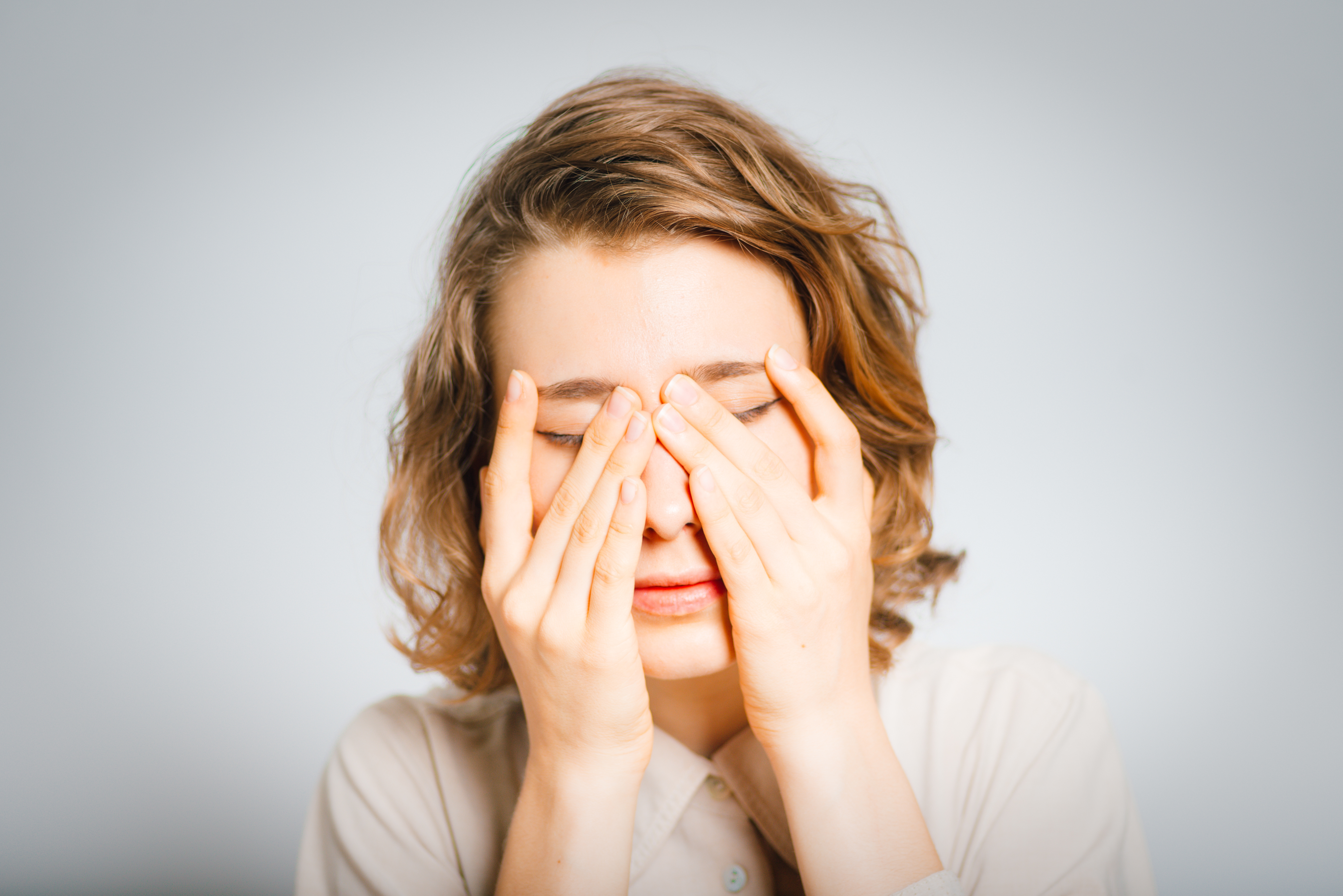
person rubbing uncomfortable eyes

5. Take out your lenses if your eyes feel uncomfortable, look red or sore, or you can’t see very well

If your eyes are in any pain, watering excessively, red, blurry, dry, light-sensitive or feel abnormal in any way, the best thing to do is take out your lenses immediately. The lens could be dirty – in which case you need to thoroughly clean and disinfect it – or damaged – in which case you need to throw it away and use a new one. If your symptoms persist once you’ve taken out the lens, make sure you consult your optometrist as there could be a more serious problem.

6. Go for regular checkups at your optician

The maximum time a contact lens specification is valid for is 12 months, so make sure you have at least an annual contact lens check-up. Attend more often as advised by your optometrist or if you have any concerns/questions, Leightons are here to help, with the expertise to advise you on anything from varifocal contact lenses to daily disposables and to provide you with complete contact lens care.

Book your contact lens appointment

So, whether you’re simply in need of a check-up to update your prescription or want to try contact lenses for the first time, book your contact lens appointment with Leightons today.

You may also like

How do contact lenses work?
Contact lenses are a popular alternative to traditional glasses. Rather than sitting within frames in front of your eyes, they are placed on the surface of your eye to help you see clearly. If you are a regular contact lens wearer, or if you’re new to contacts and want to know more, read on to learn more about how they work, as well as how replacing your lenses works.    What are contact lenses? Contact lenses are thin prescription lenses worn in "contact" with the eye. They float on the tear film layer over the cornea and correct refractive errors to help you see more clearly. Most are made of soft, comfortable, and hydrating materials, but some types are made from more rigid materials to correct more complicated prescriptions and eye conditions. In general, contacts nowadays are made from silicone or a material called hydrogel, both are soft and comfortable and a far cry from those made from glass a few decades ago.   How do contact lenses help to correct vision? In general, contact lenses work in the same way that glasses lenses work – they refocus light into the correct part of your eye to help correct a refractive error in your vision. They just sit on your eyes instead of in front of them. It’s important to note that your contact lens prescription will be different from your glasses prescription, so it’s important to have an eye test to determine your contact lens prescription. Contacts can be worn to correct a range of eyesight problems, including: Myopia (short-sightedness) Hyperopia (farsightedness) Presbyopia (age-related farsightedness) Astigmatism  How do multifocal contact lenses work Just like with glasses, you can get multifocal contact lenses. They feature multiple powers of vision correction built into the same lens, which you look through depending on the task you’re doing. The areas work the same as a monovision contact lens – refocusing light into your eye correctly. They’re usually offered to those with presbyopia to help with everyday tasks without the need to constantly swap out their glasses. How do monovision contact lenses work? Monovision contact lenses provide a balance of distance and near vision for those with presbyopia by providing full distance correction to the 'dominant' eye and closer vision in the 'non-dominant' eye. Our Optometrists are trained to identify your specific ocular dominance when fitting these lenses. This can be a good solution if multifocal lenses cannot be tolerated. Replacing your contact lenses There are many different types of contact lenses, and how quickly you replace them will depend on the specific type you wear.  Disposable dailies are designed to be worn for a day and thrown away – they’re very convenient for those with busy lifestyles or if you’re only wearing them occasionally. Monthly lenses are worn repeatedly for a month – you remove and clean them every night – and are replaced after that month. Some other types of lenses are worn for longer periods of time without the need to be removed and cleaned. The type you choose will depend on your lifestyle, prescription strength, and the size and shape of your eye. Your optician will be able to give you advice and guidance on the care of your lenses at your appointment. For daily and monthly contact lenses, you will usually set up a subscription through your local Leightons branch. We’ll make sure you get a new delivery of contact lenses when you need them   Takeaway Contact lenses work the same way that traditional glasses do – they refocus light into your eyes to help you see clearly. They can help with a wide range of different eyesight problems, but the specific type you wear will depend on your prescription, eye size and shape, and lifestyle. If you have any concerns about your eyesight or about your contact lenses, you should speak to your opticians or optometrist.  Book your free eye test today to see if you’re eligible for contact lenses.  
Navigation Previous
Navigation Next