What is visual stress?

Visual stress is when certain patterns feel uncomfortable to look at, most often lines of black text on a white page. Words can seem to shimmer, move or blur, making reading, studying and working more tiring than they need to be. 

It isn't a problem with your eyes themselves. It's thought to happen when the part of the brain that processes what you see becomes over-stimulated by these patterns. Researchers are still learning exactly why, and you can find out more about visual stress in our guide. 

For many people, the answer is surprisingly simple. Looking at text through the right colour can calm those disturbances, so words settle and reading becomes more comfortable. 

 Visual stress and dyslexia 

Visual stress isn't the same as dyslexia, although the two often go hand in hand. Studies suggest visual stress affects between 5% and 20% of people. It's more common among people with dyslexia and other conditions linked to learning or visual difficulties, such as ADHD and autism, where it's thought to affect 30 to 45%[1]. 

Easing visual stress won't change how the brain processes language. What it can do is take away the extra effort of reading uncomfortable text, so you can focus on the words themselves. 

Signs of visual stress

Everyone's experience is different, and you may notice some of these signs but not others:

Words that seem to flicker, shimmer, move or jump about 

A white page that looks glaring, making words appear blurred, doubled or 3D

"Rivers" of white running down the page, where the gaps between words stand out more than the words 

Shapes or patches of colour appearing on the page 

Headaches or tired eyes after reading 

Often losing your place, skipping lines or re-reading 

Signs to look out for in children

Children don't always realise that what they see isn't what everyone sees, so they may not tell you anything's wrong. You might notice your child avoiding reading, rubbing their eyes, moving closer to the page, losing their place or skipping words or lines when reading, or tiring quickly with homework. If this sounds familiar, an eye test is a simple first step. 

Young girl sitting on a couch using a tablet in a bright room.

Could you be experiencing visual stress?

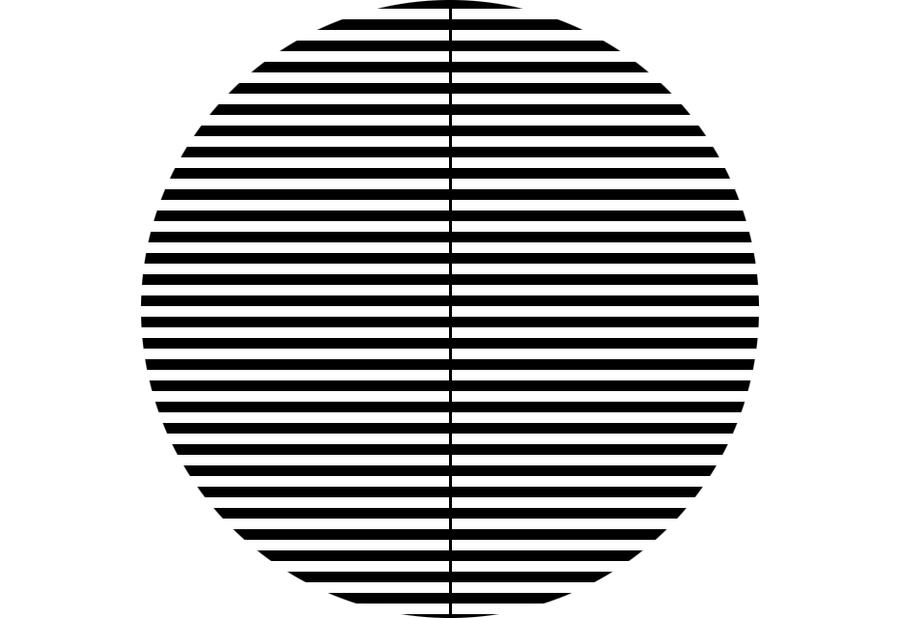
Take a look at this pattern for a few seconds. If it seems to shimmer, flicker, show colours or simply feel uncomfortable, it may be worth speaking to one of our optometrists. 

Book an eye test 
Black and white striped pattern used to check for signs of visual stress.

 How we test for visual stress 

We'll guide you through each step, and you'll only move on to the next if it's likely to help.

1

Eye test

Ruling out other causes first. 

Some eye conditions can cause similar symptoms to visual stress, such as needing glasses or your eyes not working together as well as they could. Your optometrist will check for these first, so you know you're getting the right support. Just let them know about your concerns at the start of your appointment. For the most detailed picture of your eyes, we recommend our Ultimate Eye Test.

2

Overlay assessment

Finding the colour that helps. 

Your optometrist will place coloured sheets, called overlays, over a page of text one at a time, and you'll tell them which feels most comfortable. A short reading test then shows how much difference your chosen colour makes. If it helps, you can take an A4 overlay home for £9 to use for reading and schoolwork.

3

Colorimetry

Precision-tinted glasses, matched to you.

If your overlay has been helping, you can move on to colorimetry at our specialist centres in Farnham and Hempstead Valley. Unlike an overlay, tinted glasses go wherever you do, from the whiteboard to your screen. We'll fine-tune the exact shade that works best for you, so it can be made into glasses you can wear throughout the day.

 Coloured overlays and colorimetry: what's the difference? 

Both help you find the colour that makes reading more comfortable. The difference is how precisely that colour is matched to you, and how you use it day to day.

What happens during an overlay assessment

You'll sit with your optometrist and look at a page of black text on white paper. They'll place different coloured overlays over it, one at a time, and ask whether each one makes the words easier to read, harder to read or makes no difference. 

Once you've found your most comfortable colour, you'll read a short passage with and without the overlay, so we can see how much it helps. If it does, you can take an overlay home, and we'll invite you back to see how you're getting on.

What happens during a colorimetry test

Colorimetry uses a machine called a colorimeter, which is about the size of a desktop computer. You'll look through a small viewing window at a page of text while your clinician adjusts the colour of the light shining on it. 

As they change the shade, strength and brightness, you'll tell them how the text looks. Together, you'll narrow it down to the colour that makes the words clearest and most settled. We'll then check it with trial lenses, so you can see the difference for yourself before your glasses are made.

A pair of stylish Oakley sunglasses with brown lenses and unique frame design.
MyLeightons Care Plan
With our MyLeightons Care Plans, looking after your eyes has never been easier. From just £14 a month, you’ll enjoy personalised, year-round care designed around your needs, or £24 a month for the whole family, keeping everyone covered. Each plan includes exclusive benefits like regular eye tests and essential ongoing support, giving you complete peace of mind all year long.

 Overlays and colorimetry at a glance 

Coloured overlays
Colorimetry
What it is A transparent coloured sheet you place over a page A detailed test that matches your exact shade for tinted glasses
How precise Chosen from a set range of colours Fine-tuned by adjusting shade, strength and brightness
What you take home An overlay for printed pages Glasses with precision-tinted lenses
Best for Books, worksheets and printed text Everyday use, including whiteboards, screens and writing
Cost £60 assessment, plus £9 per overlay £99 assessment, plus £250 for lenses and the cost of your frame
Where 12 branches across the South of England Our specialist centres in Farnham and Hempstead Valley
When After your eye test Once an overlay has been helping

Coloured overlays

  • What it isA transparent coloured sheet you place over a page
  • How preciseChosen from a set range of colours
  • What you take homeAn overlay for printed pages
  • Best forBooks, worksheets and printed text
  • Cost£60 assessment, plus £9 per overlay
  • Where12 branches across the South of England
  • WhenAfter your eye test

Colorimetry

  • What it isA detailed test that matches your exact shade for tinted glasses
  • How preciseFine-tuned by adjusting shade, strength and brightness
  • What you take homeGlasses with precision-tinted lenses
  • Best forEveryday use, including whiteboards, screens and writing
  • Cost£99 assessment, plus £250 for lenses and the cost of your frame
  • WhereOur specialist centres in Farnham and Hempstead Valley
  • WhenOnce an overlay has been helping

FAQs

Visual stress can affect people of any age. In children, you might notice headaches or tired eyes when reading, avoiding reading or writing, losing their place, or finding it hard to concentrate on schoolwork. Many adults have lived with it for years without realising, simply assuming reading is harder for them than for others. 

Whatever your age, an eye test is the best place to start. It can rule out other causes and show whether further testing could help. 

No. Dyslexia is a specific learning difficulty that affects how the brain processes language, while visual stress affects how comfortably you can see text. You can have one without the other, although they often occur together. 

Because visual stress can make reading harder, it can affect the results of a dyslexia assessment. That's why the British Dyslexia Association recommends to have an eye examination to check for visual difficulties before a dyslexia assessment. 

Not always. Your eye test may find another cause for your symptoms, such as needing glasses, which can be treated directly. We'll only recommend colorimetry if an overlay has made a clear difference and you've been using it regularly.

The right colour can reduce the visual disturbances that make text uncomfortable to look at. Words appear clearer and more stable, so reading takes less effort, and many people find they can read more comfortably and for longer. 

An overlay works well for printed pages, but it only covers what's in front of you. Tinted glasses go wherever you do, without needing to carry an overlay with you. Many people wear them for reading, writing and screen work. 

Your optometrist will talk you through whether colorimetry is likely to help you, and when your glasses will make the most difference. 

Yes. Your tinted lenses can include your prescription, so you get the comfort of your colour and the clear vision you need, all in one pair of glasses.

An overlay assessment costs £60 and coloured overlays are £9 each. If you move on to colorimetry, the test costs £99 and precision-tinted lenses are £250, plus the cost of the frame you choose.

If you need a prescription, your usual prescription lens costs will also apply. Your optometrist will talk you through any costs before you go ahead. 

Book an appointment

Booking an appointment is easy - choose a time that works for you with our simple online system. Prefer to speak to someone? Call us on 0800 40 20 20 (lines open Mon–Sat, 8.30am – 5pm).

Find your nearest branch

Whether you need expert optical or hearing care, our friendly teams are here to help. With 37 branches across the South of England, finding your local Leightons is just a click away with our branch finder.

Source:  

1. Alanazi, M. (2020). International Journal of Ophthalmology & Visual Science, 5(1). doi:10.11648/j.ijovs.20200501.11