Eye care

How do contact lenses work?
Contact lenses are a popular alternative to traditional glasses. Rather than sitting within frames in front of your eyes, they are placed on the surface of your eye to help you see clearly. If you are a regular contact lens wearer, or if you’re new to contacts and want to know more, read on to learn more about how they work, as well as how replacing your lenses works.    What are contact lenses? Contact lenses are thin prescription lenses worn in "contact" with the eye. They float on the tear film layer over the cornea and correct refractive errors to help you see more clearly. Most are made of soft, comfortable, and hydrating materials, but some types are made from more rigid materials to correct more complicated prescriptions and eye conditions. In general, contacts nowadays are made from silicone or a material called hydrogel, both are soft and comfortable and a far cry from those made from glass a few decades ago.   How do contact lenses help to correct vision? In general, contact lenses work in the same way that glasses lenses work – they refocus light into the correct part of your eye to help correct a refractive error in your vision. They just sit on your eyes instead of in front of them. It’s important to note that your contact lens prescription will be different from your glasses prescription, so it’s important to have an eye test to determine your contact lens prescription. Contacts can be worn to correct a range of eyesight problems, including: Myopia (short-sightedness) Hyperopia (farsightedness) Presbyopia (age-related farsightedness) Astigmatism  How do multifocal contact lenses work Just like with glasses, you can get multifocal contact lenses. They feature multiple powers of vision correction built into the same lens, which you look through depending on the task you’re doing. The areas work the same as a monovision contact lens – refocusing light into your eye correctly. They’re usually offered to those with presbyopia to help with everyday tasks without the need to constantly swap out their glasses. How do monovision contact lenses work? Monovision contact lenses provide a balance of distance and near vision for those with presbyopia by providing full distance correction to the 'dominant' eye and closer vision in the 'non-dominant' eye. Our Optometrists are trained to identify your specific ocular dominance when fitting these lenses. This can be a good solution if multifocal lenses cannot be tolerated. Replacing your contact lenses There are many different types of contact lenses, and how quickly you replace them will depend on the specific type you wear.  Disposable dailies are designed to be worn for a day and thrown away – they’re very convenient for those with busy lifestyles or if you’re only wearing them occasionally. Monthly lenses are worn repeatedly for a month – you remove and clean them every night – and are replaced after that month. Some other types of lenses are worn for longer periods of time without the need to be removed and cleaned. The type you choose will depend on your lifestyle, prescription strength, and the size and shape of your eye. Your optician will be able to give you advice and guidance on the care of your lenses at your appointment. For daily and monthly contact lenses, you will usually set up a subscription through your local Leightons branch. We’ll make sure you get a new delivery of contact lenses when you need them   Takeaway Contact lenses work the same way that traditional glasses do – they refocus light into your eyes to help you see clearly. They can help with a wide range of different eyesight problems, but the specific type you wear will depend on your prescription, eye size and shape, and lifestyle. If you have any concerns about your eyesight or about your contact lenses, you should speak to your opticians or optometrist.  Book your free eye test today to see if you’re eligible for contact lenses.  
Optician helping a young girl try on red eyeglass frames in an optical store.
When should you take your child for their first eye exam?
Vision impairment and sight loss in children is a worrying trend these days. In England, 2 in every 1000 children and young people (up to the age of 25) have some sort of vision impairment. In nearly 2/3rd cases childhood vision impairment is present from birth or is diagnosed in the first year. As children grow older and are increasingly getting exposed to digital media from a young age, problems in vision are on the rise. Many of the vision problems can be corrected or at least contained if they are diagnosed early. This calls for regular eye tests for children from an early age. We help you plan your child’s eye examinations over the years. Eye tests When your child is born, your paediatrician will usually check their vision in the hospital ward. Regular vision screening is a part of routine developmental checks that your child will undergo. While these checks are helpful, they are not as thorough as a full eye examination by a qualified optometrist. An eye test at a young age is especially imperative for children who are born premature or have a family history of eye problems. Your optometrist will check whether your child’s eyes focus correctly, that they are not misaligned and there is no internal eye disease. Other tests include a light reaction test as well as an eye movement check. Your child should have an eye examination around the age of 3 years and then just before starting school. If there is no vision impairment, regular eye tests can be done every two years. If your child has some vision problems, an annual eye examination is recommended. What you can do Here are some things to keep in mind while going for baby’s first eye test: Remember that the eye test won’t hurt your child, so relax! Your anxiety may rub off on your child. Inform the optometrist if there is a family history of eye problems, if your baby was born premature or if you have noticed any discrepancies in your child’s eyes. These could include: Frequent eye rubbing or blinking Failure to maintain eye contact Poor eye tracking skills Excessive tearing Red or encrusted eyes Extreme sensitivity to light When scheduling the eye appointment, choose a time when your child is usually alert and happy Take the test As your child grows older, make sure that an eye test is a part of their routine health checks. At Leightons Opticians and Hearing Care, we make it our mission to provide you and your child with a relaxing and professional atmosphere. Our friendly and trained staff will put you at ease and guide you through the eye examination. We also carry out a complete lifestyle assessment along with the eye test. Based on the results of the eye tests, we will advise the best course of action for your child, especially if any vision impairment is detected. Choose from a wide range of specialist services, glasses, sunglasses and contact lenses. So drop in at one of our branches or book an eye test online with Leightons Opticians & Hearing Care.

Eye symptoms

Red eyes
Red eyes
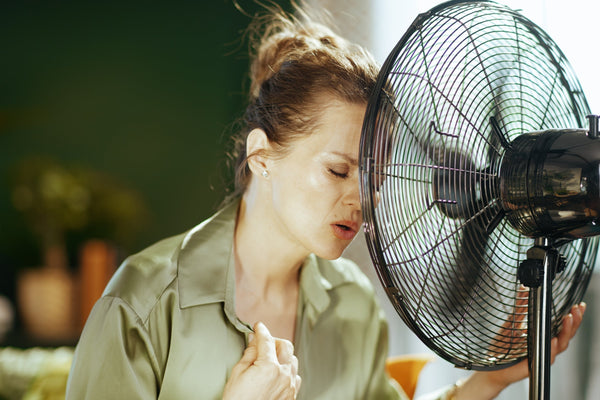
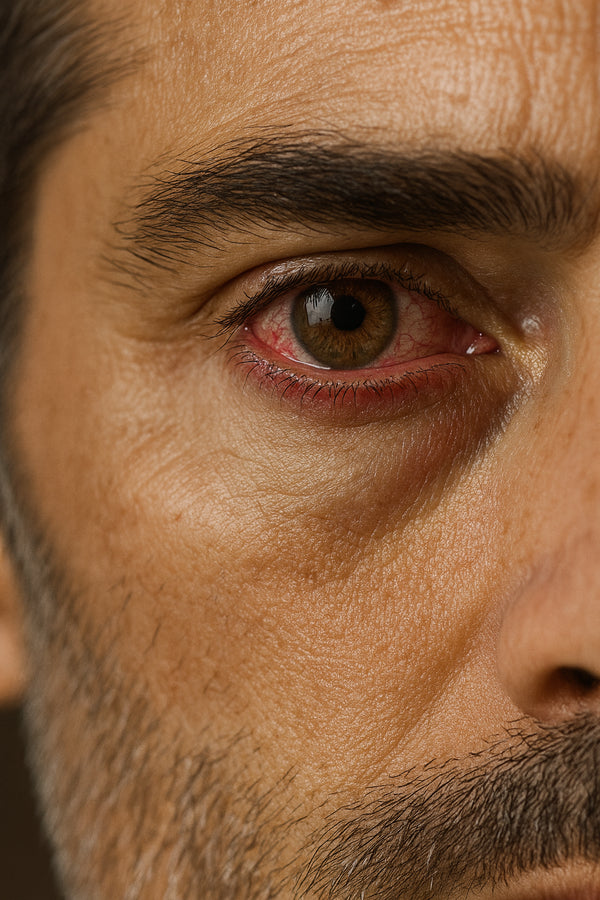
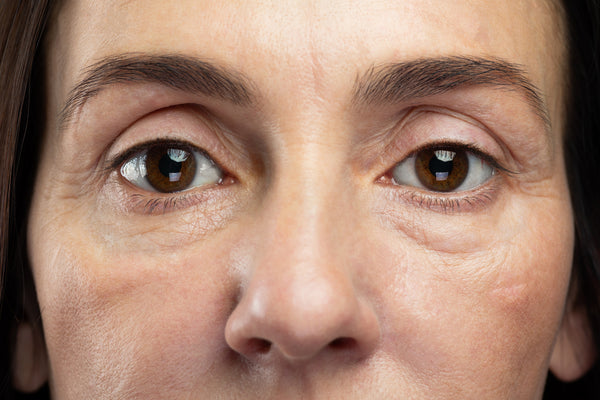
With the arrival of darker evenings, we’re likely to be spending more time in front of screens than we were in the summer, while in daytime we can find ourselves out in cold autumn wind. These are all key contributors to dry eye syndrome, so now is the time to think about how to help your eyes stay healthy through the autumn and winter months!    What is dry eye syndrome?  From time to time we all feel like our eyes can get dry and tired, but if your eyes regularly feel red, sore and uncomfortable, you might be suffering from dry eye syndrome.   Dry eye is common and occurs when your tears evaporate faster than usual, or if your eyes cannot produce enough tears. Tears don’t just flow when you start welling up while watching a sad film, they should always be there, to constantly lubricate your eyes. You can also have dry eyes despite tears rolling down your cheeks – if the tears are of poor quality, they stay on the surface of your eyes.  Dry eye becomes more common as you get older because we produce fewer tears and our eyelids are less effective in spreading the tears across the surface of our eyes – about 33% of people over 65 experience problems with dry eyes.  However, this condition is becoming more prevalent in young people, and it’s thought to be related to excessive screen use. When we’re looking at a screen we blink less frequently, at a lower rate and not fully, so our tears evaporate and are not spread evenly over the surface of the eyes.     What are the symptoms?  If you have itchy eyes, redness, the sensation of having something in your eye, a gritty feeling or watery eyes as you try to over-compensate for the lack of tears, you could have dry eyes.  At Leightons we can diagnose dry eye syndrome by thoroughly discussing your symptoms and making an assessment of the front of your eye (the anterior eye). This includes a fluorescein or lissamine green dye test. These dyes highlight dry or damaged cells and help us examine the flow of tears.   If you think you have dry eye and exhibit some of the above symptoms, contact our Dedicated Patient Support team on 0800 40 20 20 or book an appointment online for diagnosis and treatment.     Why does it happen?  There’s no single cause of dry eye syndrome, but there are a number of factors that can contribute:  * Due to dry, windy weather or even high altitude  * Central heating and air conditioning will further evaporate tears in the home, office or car  * Underlying medical conditions, such as blepharitis (an inflammation of the eyelids), lupus, contact dermatitis and rheumatoid arthritis  * Side effects of some medicine, such as antihistamines, antidepressants and diuretics  * For women, dry eye can happen during menopause, pregnancy, or while using the pill  * Following laser eye surgery many people initially are aware of having dry eye  * Activities like reading, writing or working at a computer without breaks. Try blinking regularly to stimulate the flow of tears around your eyes    How can it be treated?  You can make the most of your natural tears by drinking more fluids and staying well hydrated, and eating more foods containing omega 3 and omega 6, such as oily fish, sunflower seeds and walnuts.  You can also try artificial tear eye drops. This is a common treatment clinically proven to relive the gritty, sore sensation of dry eye syndrome. Pop into your local Leightons branch to pick up artificial tear eye drops such as Thealoz Duo – a dual-action eye drop that hydrates and protects the surface of the eye.    We can take a look  If you’re unsure if you have dry eye syndrome and want to book an eye test to find out, or simply want to try eye drops, just speak to your local eye care experts at Leightons.   Call us on 0800 40 20 20 or visit your nearest branch. You can also book an eye exam online. 
Itchy eye
Itchy eye
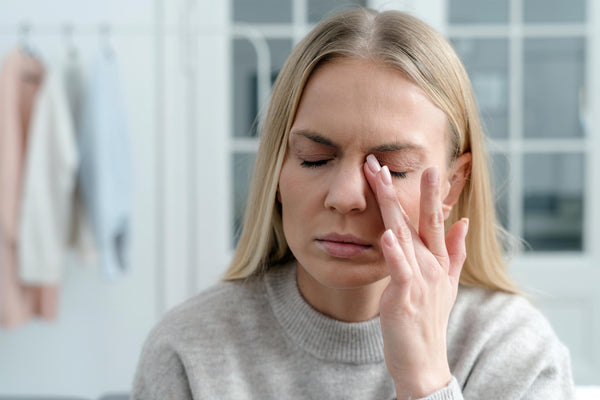
Itchy, swollen, irritated eyes are no fun for anyone. They can disrupt your day and can become sore if you end up rubbing them. Itchy eyes can be caused by a couple of different things so read on to learn more about why your eyes might be itchy and what to do about it. What are itchy eyes? Itchy eyes, also known as ocular pruritus, is a very common problem. It’s usually caused by allergies or by dry eyes. Other than just your eye itself feeling itchy, you might also have itchy eyelids, usually at the base of the eyelashes, and your eye area such as your eyelids might be swollen, tender, or watery. Possible causes Environmental factors Most people will experience itchy eyes in the spring and summer. The warm temperatures mean the plants start releasing their pollen. Which many people are allergic to. This is also called hayfever. But beyond suffering from hayfever, you can also have allergies to other environmental factors. Dust and dust mites, pet dander, cockroaches, and mould are all things that can cause allergic reactions, including itchy eyes and sneezing. Eye conditions Another reason why your eyes might be feeling itchy and irritated, especially if it’s a regular occurrence, might be due to a condition called dry eye syndrome. Dry eye is quite common and happens when your tears evaporate faster than usual, or if your eyes cannot produce enough tears. Tears don’t just flow when you well up while watching a sad film, your eyes constantly create them to help lubricate them. You can also have dry eyes even if tears are rolling down your cheeks. Caused by poor quality tears that don’t appropriately lubricate your eyes. Systemic Causes Although less common, additional factors that can cause itchy or irritated eyes also include conditions like autoimmune disorders and can even result as a side effect of certain medications. If you’re concerned about your eye health, speak to a Leighton’s specialist or your GP. What are the treatment options? Over-the-counter remedies If your itchy eyes are caused by allergies, one of the most effective ways to help is to take antihistamines. There are a number of different anti-allergy medications available over the counter or off the shelves. They help to reduce the body’s reaction to allergens, taking away itchiness and other common hayfever symptoms like sneezing and runny noses. It’s important to ask a pharmacist for the best antihistamine for you, as not all types necessarily help with your specific ailment. Eye baths are another method designed for immediate relief and can help to flush the eye of foreign objects. They may also help to flush out pollen, dust, or other allergens causing itching. However, there are issues around hygiene with the eye baths in general use. If they are not cleaned and stored properly between uses they are at risk of contamination by a number of microbes or bacteria. As a result infections can follow if not used properly, so we would not recommend this method. Eye drops are also widely available to help soothe itchy eyes. It’s important to check the label when selecting the specific drops as some are designed for seasonal use and others are able to be used year round. If your symptoms continue for more than a few days, see an eye specialist. Artificial tears are also widely available from opticians and pharmacies and are designed to replicate the tears your eyes naturally produce. This is to help hydrate your eyes and keep them lubricated. Prescription medications Your doctor might prescribe you medication to help deal with your itchy eyes. These will be based on the condition and cause of the itchiness so won’t be guaranteed for everyone but will be assessed based on the individual. Home remedies You can relieve itchiness by placing a clean, cold, damp washcloth or an ice pack over closed eyes. This can also help to reduce inflammation. Try not to rub your eyes – it could have the opposite effect and make your eyes more itchy or introduce bacteria. If you have dry eye syndrome, you could try to make the air as humid as possible by placing bowls of water on radiators or using humidifiers. When should I seek medical advice? While some itchy eye conditions can be treated at home, there are others that need a medical professional to take a look at them. Make sure you see an eye care specialist if: Your symptoms aren’t getting better You have thick, pus-like discharge from your eyes Your eyes are stuck together You can’t keep your eye open Your vision is changed or blurred You feel like you have something in your eye You can see a halo around lights It hurts to look at bright lights Your pupils are different sizes Your eyes are swollen You are in pain It’s important to contact your doctor quickly so that they can treat the issue so it doesn’t get worse. What’s the best treatment option to deal with itchy eyes? There isn’t a single best option when it comes to treating itchy eyes. Instead it’s important to use a combination of over-the-counter, prescription and home remedies to deal with the irritation. If you really want to look after your eye health, then having an Eye Care Plan can help to get professional advice on hygiene, as well as having an annual test to understand your general eye health. Check out the Leightons Care Plan to not only look after your eye health, but also get fantastic discounts for future glasses and contact lenses. Conclusion Itchy eyes are frustrating and uncomfortable. But making sure you treat it properly is important. It could indicate something wrong but it can also cause issues with your eyes and sight if left untreated. Whether allergy-based or something more complicated, never rub your eyes. And get it checked out if your usual remedies don’t work. Don’t forget to book in regular eye check ups to make sure there aren't any underlying issues causing your itchy eyes. Check out our range of My Leightons Care Plans to pick an eye care package that’s right for you.

Hearing care

The perfect couple: Your hearing aid and smartphone
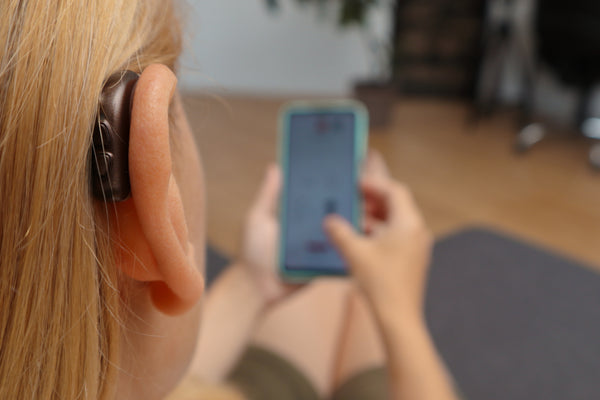
Every day, everywhere you go, you carry around a hi-def camera, a TV, a radio, a computer, an entire library, and a telephone, all at once. Yes – your smartphone is an incredible feat of technology. If you suffer from hearing loss, a smartphone combined with a hearing aid can transform your world. Maybe you’ve started to turn up the radio in the car, or you’re now relying on subtitles to enjoy your favourite TV programme. Hearing aids are smarter than ever before. Hearing aids that are even better with a smartphone Oticon Opn The world’s first internet-connected hearing aid – so you won’t be surprised to learn that it connects to your smartphone. Read more about the Oticon Opn. ReSound LiNX2 ReSound created the first ‘Made for iPhone’ hearing aid, so they know what they’re talking about when it comes to smartphone connectivity. Read more about the ReSound LiNX2. Mobile connectivity So why all the fuss about linking your hearing aid to a smartphone? Let’s take Oticon Opn hearing aids as an example: Oticon ON app lets you access a world of entertainment at the touch of a button. You can stream audio from one compatible device directly into your ear, at the volume that’s right for you. From TV to radio and even in the car, you have control. And it lets you adjust settings without having to faff about with fiddly buttons and switches on your hearing aid. Hearing aids for iPhone and Android Not having an iPhone doesn’t mean you’re missing out on the era of mobile connectivity either. There are many other devices on the market, including Phonak’s Audeo B-Direct, which are compatible with Android smartphones like Samsung’s Galaxy series. How hearing aids and smartphones talk to each other Perhaps the only technology to be named after a Norse king, Bluetooth is a form of wireless connection – think of it like a short-range, less energy intensive version of Wi-Fi. Hearing aids with Bluetooth can connect to your smartphone and other personal devices. This is because it creates a personalised listening experience. The audio can be streamed straight to your ears and can match the personal settings of your hearing aids. And if you’re a music buff you can transform your hearing aids into your very own wireless earphones. You can even decide whether you want to stream audio to just one hearing aid or both. Hearing care If you’d like more information on the type of hearing aid that’s right for you, or you’d like to book a free hearing assessment, then talk to our friendly team of Leightons experts on 0800 40 20 20. You can also pop into your nearest Leightons branch or book an appointment online.
The Dangers of DIY Ear Wax Removal: Why You Should See a Professional
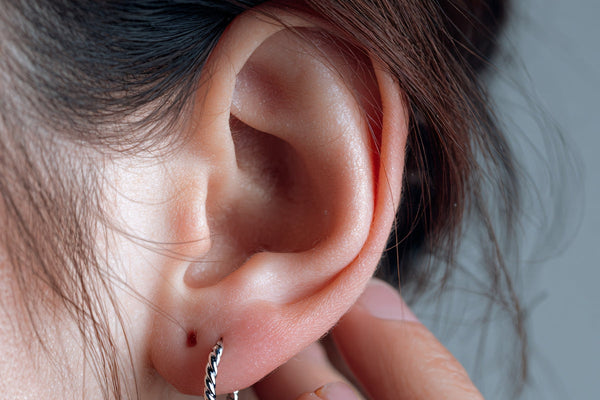
Hands up, who has tried to clean their ears at home? We are all guilty of it, whether that is grabbing a cotton bud, following an online video tutorial, or testing a D.I.Y. hack. But did you know that attempts to remove earwax yourself can do more harm than good? So what are the big no-nos of removing earwax yourself, and what danger could they put us in? Removing ear wax at home When it comes to at-home wax removal or D.I.Y. methods, the internet is full of them - but do they work, and are they safe? Well, let us talk through some of the most popular methods and why they aren’t so good for us. Cotton buds: Despite being one of the most common tools used by people to clean their ears, cotton buds can do a lot of damage. When a cotton bud is inserted into the ear canal, rather than cleaning your ears, it can push earwax further down the ear canal, creating a blockage and causing the wax to become impacted. Cotton buds can also scratch the wall of the canal, causing an increased risk of infection and, if inserted too far, could burst your eardrum. Ear Candles: Over recent years, ear candling has become quite the trend online. The process involves lying on your side and putting a hollow ear candle in the ear. As the candle burns, it is then meant to create suction which supposedly draws the wax out. There is, however, little evidence to back up this method, and it can be quite dangerous. Not only are you at risk of burns from the candle, but you also run the risk of worsening the blockage and could even puncture the eardrum. Peroxide Drops: Another common method of D.I.Y. wax removal is using peroxide drops which will soften and break down earwax. Whilst these are available to purchase over the counter, we do not recommend them because of the risks associated. These drops are not safe to use should you have an existing ear injury or suspect an ear infection, as they can cause further pain or worsen the infection. Furthermore, if these drops are used in their undiluted form, they can also cause spells of dizziness, irritation and discomfort, and even temporary hearing loss. Only use peroxide-based drops if you are directed to do so by a medical professional. At-home removal kits: Another method taking the internet by storm is the at-home removal kit. Available for next-day delivery from many online retailers, at-home removal kits would do a good job, right? Wrong, they will do quite the opposite. Inserting anything into your ears is dangerous when you don’t know what you are doing or looking for, so it’s always best to leave it to a professional. These kits often come with tools such as syringes or suction devices, which can also cause damage to the ear canal if not used correctly. Water bulbs: Water bulbs or ear syringes are another popular method of at-home ear wax removal. These bulbs are filled with water which is then squirted in the ear to remove the wax. This method does work to some extent, removing the loose bits of ear wax. However, it doesn’t come without risk, and won’t work against bigger wax build-ups. Not only can the pressure from the water damage the ear canal, but the water itself can also push the wax further into the ear, causing blockages and impaction. As well as that, if the water used in the bulb is not sterile, it can lead to infection. Dangers of ‘do it yourself’ ear wax removal Any type of D.I.Y. wax removal has its risks and can lead to serious consequences, so think twice before having a go on yourself or someone else and see a professional instead. Here are just some of the dangers you could cause: Damage to the ear canal and eardrum: When attempting to remove ear wax yourself, you risk tearing or cutting the delicate skin of the ear canal, and potentially puncturing the eardrum, which can lead to pain, infection and, in severe cases, permanent hearing loss. Inflammation and infections: The ear canal can become irritated and inflamed as a result of D.I.Y. wax removal. This can leave the ear susceptible to bacterial or fungal infections, which can result in pain, discharge, and even damage to the inner ear. Impacted wax: When ear wax is pushed further down the ear canal as a result of cotton buds or other removal tools being inserted, it can become impacted, which means it becomes stuck and difficult to remove. Impacted wax can cause temporary hearing loss, tinnitus and even vertigo. Permanent hearing loss: One of the scariest results of D.I.Y. wax removal is causing permanent loss or damage. Our ears and the structures within are very delicate and can be easily damaged if the correct care is not given. This includes damaging our delicate ear drums. The best way to remove ear wax The best and safest way to remove your ear wax is to get it done by a qualified professional who can safely remove your wax without causing any damage. Most practitioners will use one of several possible methods to safely remove your wax including manual removal, irrigation, and microsuction. The method used will be dependent on your level of wax build-up, the position of it within the ear and any pre-existing medical conditions you may have. Why choose Leightons? At Leightons, our audiologists and wax removal clinicians have been trained on the very latest and safest methods of ear wax removal, so you can rest assured that your ear wax will be dealt with in the very best way. Your care doesn't stop there. We conduct a quick hearing health check following your ear wax removal, and if any issues or concerns are noted, we will invite you back for a FREE comprehensive assessment of your hearing. For complete care, we have our MyLeightons Care Plan. On this plan, you’ll be entitled to bespoke hearing benefits, along with a wide range of other exclusive discounts on glasses, sunglasses, and contact lenses. Book today! So the next time you think about trying to clean or remove wax from your ears at home, don’t. Let us do it instead. Call us on 0800 40 20 20 or click below to book an appointment. Book an appointment

Hearing conditions

Understanding mastoiditis: causes, symptoms & treatment
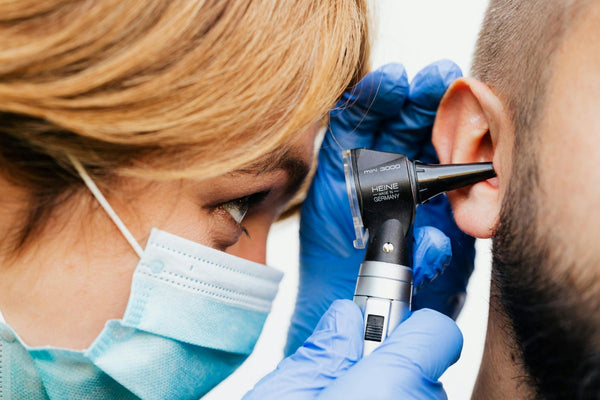
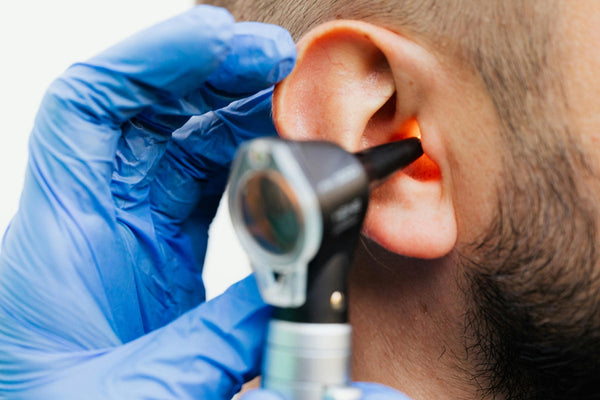
Mastoiditis is a rare but serious ear infection that affects the mastoid bone, which sits just behind the ear. It usually develops when a middle ear infection (otitis media) spreads to the mastoid bone, causing inflammation and fluid build-up. Although it sounds alarming, mastoiditis can be successfully treated with prompt medical care. At Leightons, we understand that ear pain and swelling can be worrying. Our audiologists are here to check your ear health, explain what’s happening, and help guide you to the right care if an infection is suspected. What is mastoiditis? The mastoid bone is part of your skull and contains small air-filled spaces that help drain the middle ear. When bacteria from an untreated or severe ear infection spread to this bone, it can become inflamed and filled with infected fluid. This condition is known as mastoiditis. If not treated quickly, the infection can cause pain, swelling, and in some cases, damage to nearby structures - which is why early diagnosis and medical treatment are essential. What causes mastoiditis? Mastoiditis most often develops as a complication of a middle ear infection that hasn’t fully cleared. When bacteria remain trapped in the middle ear, they can spread into the mastoid bone, causing inflammation and infection. Common causes and contributing factors include: Untreated or chronic ear infections Bacterial infection spreading from the middle ear Recurrent infections weakening ear tissues Poor ear drainage due to Eustachian Tube Dysfunction Mastoiditis can occur at any age but is more common in children, as their ear structures are still developing. Common symptoms of mastoiditis Mastoiditis symptoms can appear suddenly and may follow an ear infection that hasn’t fully resolved. Common signs include: Severe, persistent ear pain Swelling or redness behind the ear Ear discharge (sometimes thick or pus-like) Fever and feeling unwell Hearing loss in the affected ear Headache or dizziness In some cases, the ear may appear pushed forward due to swelling behind it. Because mastoiditis can worsen quickly, it’s important to seek medical attention if you notice these symptoms. How is mastoiditis diagnosed? A GP or ENT specialist can diagnose mastoiditis by examining the ear and checking for inflammation, swelling, or discharge. Tests may include: Otoscopy: Looking inside the ear to assess infection Hearing test (audiogram): Checking if hearing has been affected CT scan: To confirm if the infection has spread to the mastoid bone Blood tests: To detect signs of infection Early diagnosis allows for quicker treatment and prevents complications. Treatment for mastoiditis Treatment aims to remove the infection, relieve symptoms, and prevent further spread. Depending on the severity, this may involve: Antibiotics: Usually given intravenously (via a drip) to control the infection Ear drainage: A small procedure to remove infected fluid or pus Surgery (mastoidectomy): In more serious cases, part of the infected bone may be removed to stop the infection from spreading With prompt treatment, most people recover fully and experience no long-term hearing damage. Preventing mastoiditis The best way to prevent mastoiditis is by treating ear infections early and avoiding irritation to the ear canal. Simple steps include: Seek medical advice for any ear infection that lasts more than a few days Avoid inserting objects like cotton buds into your ears Keep ears dry and clean, especially after swimming Attend regular ear health checks to monitor your ear condition if you’re prone to infections By managing ear health proactively, you can reduce the risk of complications like mastoiditis. How Leightons can help At Leightons, we provide ear health checks and free hearing assessments to help identify infections early and support your recovery after treatment. Our audiologists can: Examine your ears safely for signs of infection or inflammation Carry out hearing tests to check for any hearing changes Refer you to an ENT specialist for medical treatment if necessary Offer aftercare and follow-up checks to monitor your ear health after recovery We’re here to help you understand your symptoms, protect your hearing, and feel confident in your ear health. Book your free hearing assessment today and take the first step toward clearer, healthier hearing.
Understanding otosclerosis: causes, symptoms & treatment
Otosclerosis is a condition that affects the tiny bones in the middle ear, leading to gradual hearing loss. It happens when abnormal bone growth develops around the stapes - one of the three small bones that help transmit sound from the outer ear to the inner ear. As the bone becomes fixed in place, sound vibrations can no longer move freely, making it harder to hear. Although otosclerosis cannot be prevented, it can be effectively managed with the right treatment and professional hearing care. At Leightons, our audiologists can help detect the signs of otosclerosis, monitor your hearing, and guide you to the right medical support if needed. What is otosclerosis? In a healthy ear, the stapes vibrates with sound waves, passing these vibrations to the cochlea, where they’re converted into signals for the brain. When otosclerosis develops, abnormal bone growth around the ossicles causes it to stiffen and lose mobility. This limits sound transmission and gradually reduces hearing sensitivity. The condition usually begins in one ear but can affect both over time. Otosclerosis is more common in adults between the ages of 20 and 45 and slightly more prevalent in women What causes otosclerosis? The exact cause of otosclerosis isn’t fully understood, but several factors can increase the risk: Genetics - The condition often runs in families. Viral infections - Such as measles, which can affect bone development in the ear. Hormonal changes - Pregnancy or hormonal fluctuations may accelerate progression. Autoimmune conditions - The body’s immune system may contribute to inner ear inflammation. Otosclerosis is not caused by lifestyle factors or noise exposure, but understanding the risk factors can help with early detection and treatment. Common symptoms of otosclerosis Otosclerosis usually develops slowly, so symptoms may go unnoticed at first. Common signs include: Gradual hearing loss, often starting in one ear Difficulty hearing low-pitched sounds or whispers Tinnitus (ringing, buzzing, or roaring sounds in the ear) Better hearing in noisy environments Occasional balance problems or dizziness Because symptoms develop gradually, regular hearing tests are essential for early detection. How is otosclerosis diagnosed? If you’re noticing hearing changes, an audiologist can perform a free hearing assessment to measure how well sound travels through your ears. If conductive hearing loss is detected, you may be referred to an ENT specialist for further testing, which might include: Audiogram - to measure hearing thresholds. Tympanometry - to check middle ear function. CT scan - in some cases, to view the bone structure of the middle ear. A confirmed diagnosis allows for tailored treatment options and ongoing hearing management. Treatment and management of otosclerosis There are several effective treatments for otosclerosis, depending on its severity and how much it affects your hearing: Hearing aids: Amplify sound to overcome the conductive hearing loss. Many people find these extremely effective. Stapedectomy or stapedotomy surgery: A delicate operation performed by an ENT specialist to replace or modify the stapes bone, to restore a better sound transmission which can help with hearing loss. Regular hearing checks: To monitor changes and adjust hearing aids if necessary. Protecting your hearing: Avoiding loud noise exposure and maintaining general ear health. With appropriate care, most people with otosclerosis maintain excellent hearing function. Living with otosclerosis Otosclerosis can impact daily life, but early diagnosis and the right treatment make a significant difference. Many people successfully manage their hearing with hearing aids or surgical treatment. Emotional support and hearing care guidance can also help reduce the frustration or isolation sometimes linked to hearing loss. If you’ve noticed gradual hearing changes, don’t ignore them. A professional assessment can help identify whether otosclerosis - or another treatable condition - is the cause. How Leightons can help At Leightons, our friendly audiologists provide comprehensive free hearing tests and ear health checks to identify signs of otosclerosis or other hearing conditions. We can: Test your hearing to determine if otosclerosis may be affecting you. Fit and fine-tune hearing aids to support clear, comfortable hearing. Refer you to an ENT specialist for diagnosis or surgical consultation if needed. Offer ongoing support and aftercare to help you manage your hearing long-term. We’re here to help you understand your hearing, regain confidence, and enjoy life with clear sound once again. Book your free hearing assessment today and take the first step toward better hearing health.

Hearing symptoms

Vertigo: causes, symptoms and how to find relief
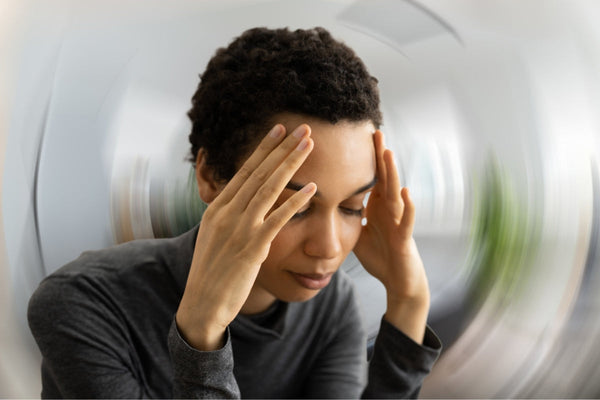
Feeling dizzy or as though the room is spinning can be unsettling. This sensation, known as vertigo, often comes from a problem in the inner ear, which helps control balance. While vertigo can feel alarming, it’s usually treatable and often linked to conditions that are temporary or easily managed. At Leightons, our audiologists are here to help you understand what’s behind your dizziness and guide you toward the right care, offering safe and professional support for your ear and balance health. What Is vertigo? Vertigo isn’t a condition itself, but a symptom - a feeling that you or your surroundings are moving when they’re not. It’s usually caused by an issue in the vestibular system, the part of your inner ear responsible for balance. Some people describe vertigo as feeling like spinning, swaying, or tilting. It can last a few seconds or persist for longer periods, depending on the cause. What causes vertigo? Vertigo can occur for several reasons, many of which are related to the inner ear. Common causes include: Benign paroxysmal positional vertigo (BPPV): The most common cause of vertigo, where small crystals in the inner ear move out of place and trigger dizziness during head movements. Inner ear infections: Conditions such as labyrinthitis or vestibular neuritis cause inflammation that affects balance and hearing. Meniere’s disease: A long-term condition involving fluid build-up in the inner ear, leading to vertigo, tinnitus, and hearing changes. Ear wax blockage: In some cases, a build-up of wax can affect pressure or balance, leading to dizziness. Migraine-associated vertigo: Some migraines cause dizziness, even without a headache. Circulatory or blood pressure changes: Less commonly, vertigo may stem from reduced blood flow to the inner ear or brain. Common symptoms of vertigo Vertigo can vary in intensity and duration. You may experience: A spinning or swaying sensation Loss of balance or unsteadiness Nausea or feeling light-headed Ringing or pressure in the ears (tinnitus) Hearing loss or muffled sounds Headache or visual disturbance If vertigo is sudden, persistent, or severe, it’s important to have it checked by a professional. When to seek professional advice Occasional dizziness after standing up too quickly or turning your head isn’t unusual. However, you should seek advice if: Vertigo happens frequently or lasts longer than a few minutes You experience hearing changes or ringing in your ears You have nausea, vomiting, or difficulty walking Vertigo occurs alongside ear pain or infection symptoms While vertigo itself isn’t usually dangerous, the underlying cause may require treatment. A hearing and balance assessment can help identify the issue and offer reassurance. Diagnosis and treatment Your treatment will depend on what’s causing your vertigo. Common approaches include: Canalith repositioning manoeuvres: Simple head movements (such as the Epley manoeuvre) to correct BPPV. Medication: To ease inflammation, nausea, or dizziness caused by infection. Vestibular rehabilitation: Special exercises that retrain your balance system. Ear wax removal: If a blockage is affecting balance. ENT referral: For more complex or persistent cases. Leightons can help identify whether your vertigo is related to your hearing or ear health and guide you to the right treatment or specialist care if needed. How Leightons can help At Leightons, we take a comprehensive approach to ear and balance health. Our expert audiologists can: Carry out a detailed free hearing assessment to check for changes linked to vertigo Examine your ears for wax, infection, or fluid build-up Provide safe microsuction if wax is causing dizziness Advise on next steps or referral if vestibular issues are suspected We’ll always take the time to listen, explain, and provide the reassurance you need - helping you feel steady and confident again. Living with or preventing vertigo While not all vertigo can be prevented, these steps can help reduce symptoms or avoid flare-ups: Move slowly when changing position Stay hydrated and eat regularly Avoid sudden head movements when possible Manage allergies or sinus issues promptly Keep ears clear and healthy with regular ear checks If you experience vertigo linked to specific movements, a professional can recommend simple exercises to help retrain your balance system. Book a free hearing assessment If you’re experiencing vertigo, dizziness, or balance problems, we can help. Our expert audiologists will carry out a safe, professional free hearing assessment to identify any underlying issues and guide you to the right care.
Ear popping: what it means and how to stop it
Most people experience their ears popping from time to time, especially during flights, driving in the mountains, or when they have a cold. It’s a normal reaction to changes in air pressure - but if the sensation happens often, lasts for days, or comes with discomfort, it could point to an underlying issue that needs attention. At Leightons, our hearing care specialists can help identify the cause of persistent ear popping and provide safe, effective solutions for lasting relief. What is ear popping? Ear popping describes the clicking, crackling, or popping sounds you sometimes hear inside your ear. This happens when the Eustachian tubes - tiny passages that connect the middle ear to the back of your throat - open and close to balance air pressure. When the tubes work as they should, pressure equalises naturally and your ears feel clear. But if they become blocked or inflamed, you might experience popping, pressure, or muffled hearing. Why do ears pop? The middle ear needs to maintain equal pressure on both sides of your eardrum. The Eustachian tubes handle that job, opening whenever you swallow, yawn, or chew. When pressure builds up - for example, during altitude changes - you may feel a “pop” as the tubes open to release trapped air. Persistent popping, however, could signal a problem with how these tubes are functioning. Common causes of ear popping Ear popping can be triggered by several everyday situations and ear conditions: Altitude or pressure changes: Common during flying, scuba diving, or driving in the mountains. Colds and sinus infections: Congestion can block the Eustachian tubes, trapping air in the middle ear. Ear wax build-up: Excess wax can affect how pressure equalises, leading to a blocked or popping sensation. Allergies: Inflammation from allergies may cause the tubes to swell. Eustachian tube dysfunction: The tubes fail to open properly, causing pressure imbalance. Fluid in the ear: Known as glue ear, this can cause popping and muffled hearing. When ear popping becomes a problem Occasional popping is normal and usually nothing to worry about. But if it’s frequent, painful, or accompanied by other symptoms, it’s a good idea to get your ears checked. You should seek professional advice if you experience: Ongoing or painful ear popping A feeling of fullness or blockage Muffled hearing or changes in sound Dizziness or ringing in the ears Ear pain or fluid discharge Leightons’ audiologists can identify the cause through a safe, detailed ear examination. How to relieve ear popping If your ears feel blocked or keep popping, try these gentle methods: Swallow or yawn: Helps open the Eustachian tubes and balance pressure. Sip water or chew gum: Encourages tube movement. Use a nasal spray: Reduces swelling in the nasal passages if congestion is the cause. Avoid inserting objects: Don’t use cotton buds, as they can push wax deeper. Apply gentle warmth: A warm compress may ease discomfort. If popping persists for more than a few days, it’s best to have your ears examined professionally. When to see an audiologist or GP If your ears won’t “clear” or popping is constant, there may be an underlying issue such as infection, fluid, or wax blockage. Leightons’ hearing care specialists can: Examine your ears safely using advanced equipment Remove excess ear wax through microsuction Recommend treatment for congestion or infection Carry out a free hearing test to assess any related hearing loss How Leightons can help Persistent ear popping can often be resolved with the right care. Our audiologists will assess your ear health and hearing to pinpoint the cause - whether it’s wax build-up, pressure imbalance, or infection - and guide you on the safest, most effective treatment options. At Leightons, we focus on long-term ear and hearing health, so you can enjoy clear, comfortable hearing every day. Preventing ear popping A few simple habits can help reduce ear popping: Keep sinuses clear during colds or allergies Avoid flying with a blocked nose Yawn or swallow during take-off and landing Stay hydrated when travelling Schedule regular ear health checks if you’re prone to congestion or wax build-up

On trend

Close-up of black-framed eyeglasses with fogged and water-dotted lenses resting on a wooden surface.
How to stop glasses steaming up
A common problem for many glasses wearers is the lenses steaming up. During the summer months, fogged-up glasses are less of an issue but are much more prevalent during the cold winter months when the difference in indoor and outdoor temperatures causes condensation. Steamed-up glasses lenses can be frustrating and inconvenient, so we’ve compiled a list of our top 8 tips to help prevent them from fogging. Why do glasses fog up? Typically, glasses fog up because of the temperature change from indoors to outdoors and vice versa. You may notice some people’s glasses fog up more easily than others and that’s because it can also depend on your own body temperature. For example, after exercise or a hot shower, when the moist air from your breath and around your head hits the cold lenses, they’ll fog up. How to stop your glasses from fogging up: 8 tips While steamed-up glasses are often inevitable as we, unfortunately, can’t control the weather, there are preventative measures you can take to help keep your glasses as clear as possible. 1. Let your glasses adjust to temperature changes With the sudden temperature change from stepping into a warm room from the cold outdoors, your glasses will need some time to adjust. If possible, set them aside for a few moments to clear up. The same goes for going outside from indoors. If you can't see clearly without glasses and are unable to take them off, to prevent them from fogging up indoors, you could instead try to adjust the temperature inside, such as opening a window, so it isn't such a drastic change. 2. Ensure your glasses fit Finding the right fit for your glasses can be tricky. If they’re too big or the sides are slightly crooked, they’ll be sliding down your nose every five minutes and constantly steam up from your warm breath. 3. Opt for anti-fog lenses There are many different types of lenses to choose from, and if your glasses steaming up is a big concern, choosing anti-fog lenses will be a great option. These lenses have a unique coating that attracts and evenly distributes moisture across the lens surface, preventing water droplets from forming and obstructing vision. 4. Wear contact lenses when exercising To avoid your glasses fogging up as your temperature rises while exercising, the most effective solution is to wear contact lenses instead. When deciding between contact lenses and glasses, keep in mind that contact lenses do not fog, and they’ll be more comfortable and convenient to wear while exercising. 5. Try anti-fog products There are several anti-fog products available to try, including: Anti-fog spray: This quick and easy solution creates a very thin film on your lenses to protect them from moisture. Simply spray the lenses directly and let them dry for a while before wearing them. Once dried, you can wear them out in the cold and enjoy clear-sighted vision. Anti-fog wipes: these are perfect to use on the go. Simply use the wipe in a circular motion, let them dry and pop the glasses back on fog-free. 6. Watch out for hot drinks As comforting as hot tea, coffee, or hot chocolate is in the winter, they are notorious for fogging glasses. The warmth released from the cup as you take a sip will instantly steam up your glasses. Luckily, putting a lid on the cup will prevent fogging from happening. 7. Keep your lenses clean It’s important to keep your lenses clean as dirt, grease and dust on your glasses will allow the fog to accumulate, making the situation worse and even harder to see out of. We suggest cleaning your glasses at least once every day and then storing them properly when you’re not using them. When they do steam up, wipe them with a silky lens cleaning cloth to prevent them from becoming smeary. It’s also wise not to touch the lenses with your bare hands as this could transfer oils from your skin and any skin products you may have used, such as moisturiser or hand cream, making them cloudy. 8. Make sure your face mask is not too big If you’re wearing glasses with a face mask, make sure the mask is well-fitted and not too big to stop your breath from escaping through the top of the mask and fogging up your glasses. Try to also leave a gap between the face mask and your nose to allow the heat to escape without reaching your glasses. Avoid home remedies that can damage your lenses While information online may advise you to try home remedies, such as washing your glasses with soap or using shaving cream, as a way to create a barrier, we strongly recommend against using these methods, as you could risk damaging your lenses and needing to buy replacements. Book your eye test today Find a Leightons branch near you
Glasses frame size guide
You may be thinking that the glasses frames are simply part of the aesthetic, and you’d be partly right. But the frames also contribute to the function of your lenses and the fit is important for ensuring your glasses sit at the right place and are the right size so you don’t get headaches. Read on for a comprehensive guide to glasses frame sizes and how to choose the right size frame for your face. What do the numbers on glasses mean? When looking at the side of your glasses, you’ll probably notice a series of numbers printed or scribed into one side. These numbers may look nonsensical, but they actually describe the various widths and measurements of your specific frames. They include the lens width, the bridge width, and the temple length – which, when combined, describe your perfect glasses fit. Lens width The first number in the sequence is the lens width measurement. This is the horizontal width of each lens at the horizontal centre. The number will typically range between 40 and 60 mm. Bridge width The second number is the bridge width. This is the distance of the bridge of your glasses – the measurement between the two lenses at the horizontal centre line – where your glasses fit on the bridge of your nose. The bridge size ranges from 14mm to 24mm on average. Temple length The temple length, also known as the arm length, of your glasses is the third number you’ll find on your glasses. It describes the length from the hinge to the tip of the arm – the part that goes behind your ear. This measurement is usually between 120 and 150 mm long. Other glasses dimensions to know There are a couple of other useful measurements that aren’t found on your glasses. These are useful for when you’re measuring different types of lenses such as multifocals. They also help to ensure the best fit of your glasses – not too loose, not too tight, but just right. Frame width The frame width measurement is the horizontal width of your glasses frames, measured from their widest points. It's an important factor in finding glasses that fit your face shape – too-wide glasses will slide off your face, too narrow and you are likely to feel pressure on your temples which can cause headaches. It’s important to find a good balance so your glasses look and fit the best they can. How to choose the right frame size for your face Choosing the right frames for your face shape can be a fairly long process, but once you’ve got the right fit, your glasses will look great and help correct your vision. Here are some things to consider when choosing the right glasses frames for your face: The right width – Choose a pair of glasses that fit the width of your face in a well-balanced way. Your frames shouldn’t be wider than the width of your face at the temples. The correct height – You don’t want your frames to completely overwhelm your face. Therefore, the top of your glasses should sit no higher than the line of your eyebrows. Additionally, to prevent your glasses from rubbing against your cheeks and causing irritation, the lower edge of the frames shouldn't sit on your cheeks. Nose bridge – You’ll want your glasses to sit comfortably and snugly, but not too snug, on your nose bridge. Some adjustment of the nose pads may be needed which is why having a fitting at your opticians is essential to finding the right fit. Pupillary distance (PD) – This is the distance between your two pupils (the dark circles in your eyes). Some frames might be better suited to your individual PD than others so it will need to be taken into consideration when choosing the right frames. Glasses size chart Here at Leightons, we offer a few standard glasses frames sizes to help make finding the right glasses more easily. Refer to this chart to help you find the frames that are the right size for you. The exact measurements might differ from one style to the next, but these sizes encompass most of the frame widths Leightons offers. Find the perfect frames for you Finding the perfect glasses frames can be a daunting task, but it doesn’t have to be. Visit your local Leightons branch and speak to one of our qualified dispensing opticians for an eye test and style consultation, including a fitting to help find your perfect glasses. We’ll ensure your glasses are correctly measured, the frames you choose fit your head perfectly, and that your glasses are the right size for your face. Book your appointment today. If you’re looking for more inspiration or information on glasses and how they fit, read our guides on choosing your lenses – for more information about single vision and multifocal lenses – and how should glasses fit – for information to help you work out whether your glasses are fitting your face correctly or not. Book your style consultation today Find a Leightons branch near you