Sign in
 Basket


If you are visiting Leightons for ear impressions for custom ear products bought elsewhere, such as ACS, simply bring your voucher with you to your appointment.
Hearing Protection
Exposure to certain kinds of noise can damage your hearing permanently - but the right protection can make all the difference. At Leightons, our experts provide personalised advice and a range of comfortable, specialist hearing protection products, so you can enjoy life without compromise.
With 10% of the world’s population experiencing some degree of hearing loss [1], prevention is key. Book your hearing protection appointment today and take control of your hearing health.
What to expect at a Hearing Protection Appointment with Leightons
Protect your hearing with a 30-minute appointment that combines expert care with custom-fitted protection tailored to you. For £30, you’ll receive an ear health check, a consultation on your desired hearing protection, and professional ear impressions.
Your Leightons audiologist will review your medical history, ear health, and noise exposure, then examine your ears to ensure they’re clear. If wax or blockages are present, we’ll recommend safe earwax removal before taking impressions.
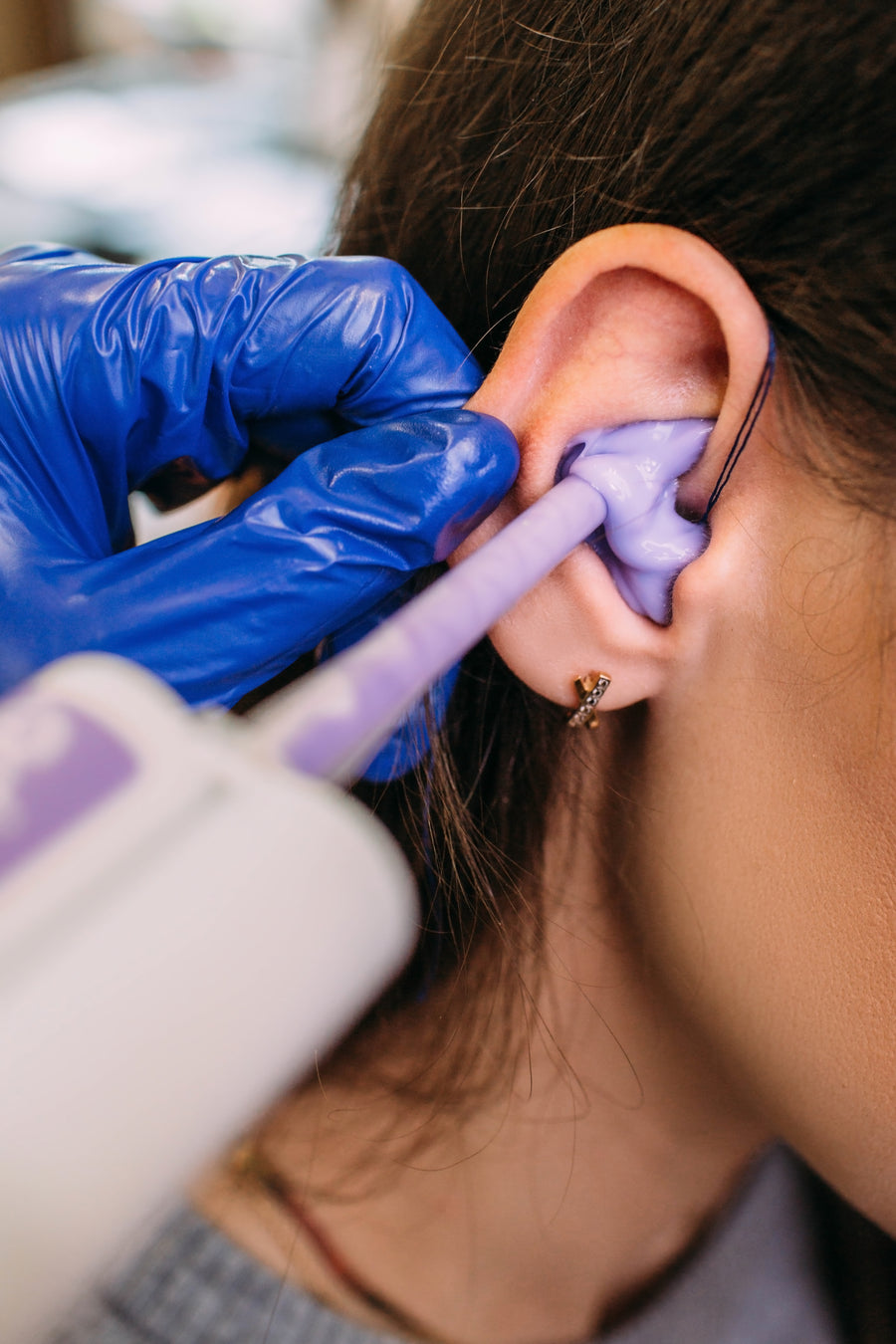
We’ll then take precise ear impressions using soft, medical-grade vulcanised silicone - a quick, comfortable process that sets in around five minutes. You’ll leave knowing your ears are healthy and ready for your custom hearing protection.
Your impressions are sent to the manufacturer, ready to create hearing protection that not only fits perfectly, but lasts up to four years. Once your custom protection is ready, you can collect it in-store or have it delivered to your home.

What if I already have a voucher for ear impression taking?
Why you should protect your hearing
Your hearing is closely linked to the cognitive ability of the brain, detailing how you process sounds.
Sound enters the outer ear, where it then travels through the ear canal to the eardrum, causing it to vibrate. Next, the vibration stimulates the hair cells in the cochlea, providing electrical signals towards the auditory nerve, connected to the centre of the brain. The brain then translates these impulses into recognisable sounds [2]. By wearing hearing protection, you reduce loud noise exposure, preventing permanent hair cell damage and helping you maintain clear hearing.
There are studies that link hearing loss to changes within cognitive ability [3]. While this doesn’t mean cognitive issues certainly develop, hearing loss can also have a real impact on emotional wellbeing and social connection. When conversations become harder to follow, people may feel more tired, frustrated or less confident in social settings, which can sometimes lead to withdrawal over time, magnifying the importance of hearing protection for your overall health.
Decibel levels: how loud is too loud?
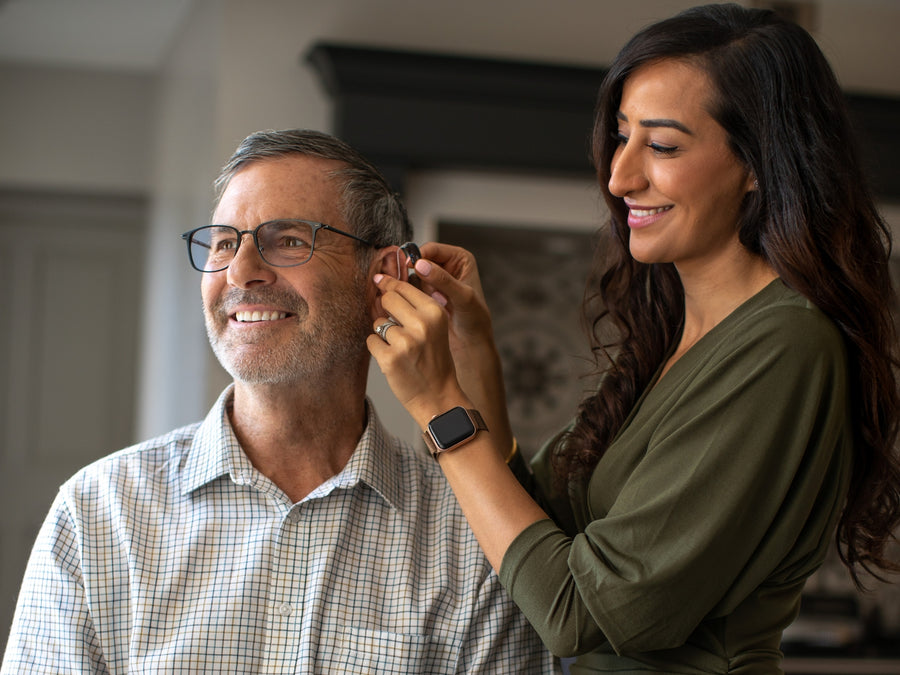
The volume of sound is measured in decibels (dB). It’s suggested that repeated exposure to sounds above 85dB can cause hearing loss [4]. To put it into perspective, common noise levels in dB include:
The common rule of thumb for how long you can be exposed to high intensity sounds is that with every increase of 3dB, safe exposure time halves. So, for example, the safe exposure time for 88dB is four hours. However you’re at risk of hearing damage after just 15 minutes when you’re in a nightclub, if you don’t use earplugs to protect your ears. For sounds of 110dB up, even a very short exposure time can cause hearing damage. [5]
Exposure to dangerous decibel levels is common for those working closely with machinery, trucks, sirens and aeroplanes[4]. More commonly, hearing is damaged recreationally from listening to music loudly through our headphones, confined spaces like cars, or noisy places like pubs and clubs.
To reduce harmful exposure to noise it’s strongly advised to use hearing protection such as ear plugs or earmuffs. At Leightons, we can help you find the best way to protect your hearing, so you can carry on living your life to the full.

Different types of hearing protection
At Leightons, we offer a wide range of hearing protection options designed to suit every need and lifestyle. From reusable general ear plugs and custom-fitted solutions to specialised protection for music, motorsport, and shooting, there’s a perfect option for everyone.
General ear plugs
Our ear plugs for general use protect the ear against excessive ambient noise. They allow you to enjoy the sounds you want to hear while helping to reduce the sound to a safer listening level. They use patented technology that replicates the natural resonance of the ear canal so that sounds are heard as clearly as the original, only quieter.

Custom-fit ear plugs
Leightons’ expert audiologists have a variety of custom-fit ear plugs suitable for almost any environment where the noise levels are higher than recommended. Custom-made hearing protection is produced from impressions of the users’ ears. This provides an individual and unique fit and the soft silicone material provides maximum comfort. A custom moulding can be fitted with a choice of filters, depending on the requirements of the user. This combination guarantees a safe fit, with specific levels of protection and can be used over long periods of time.
Hearing protection is available for motorcyclists, motorsport, music, aviation, industry and shooting. Get personalised hearing care today.
Ear plugs for sleeping
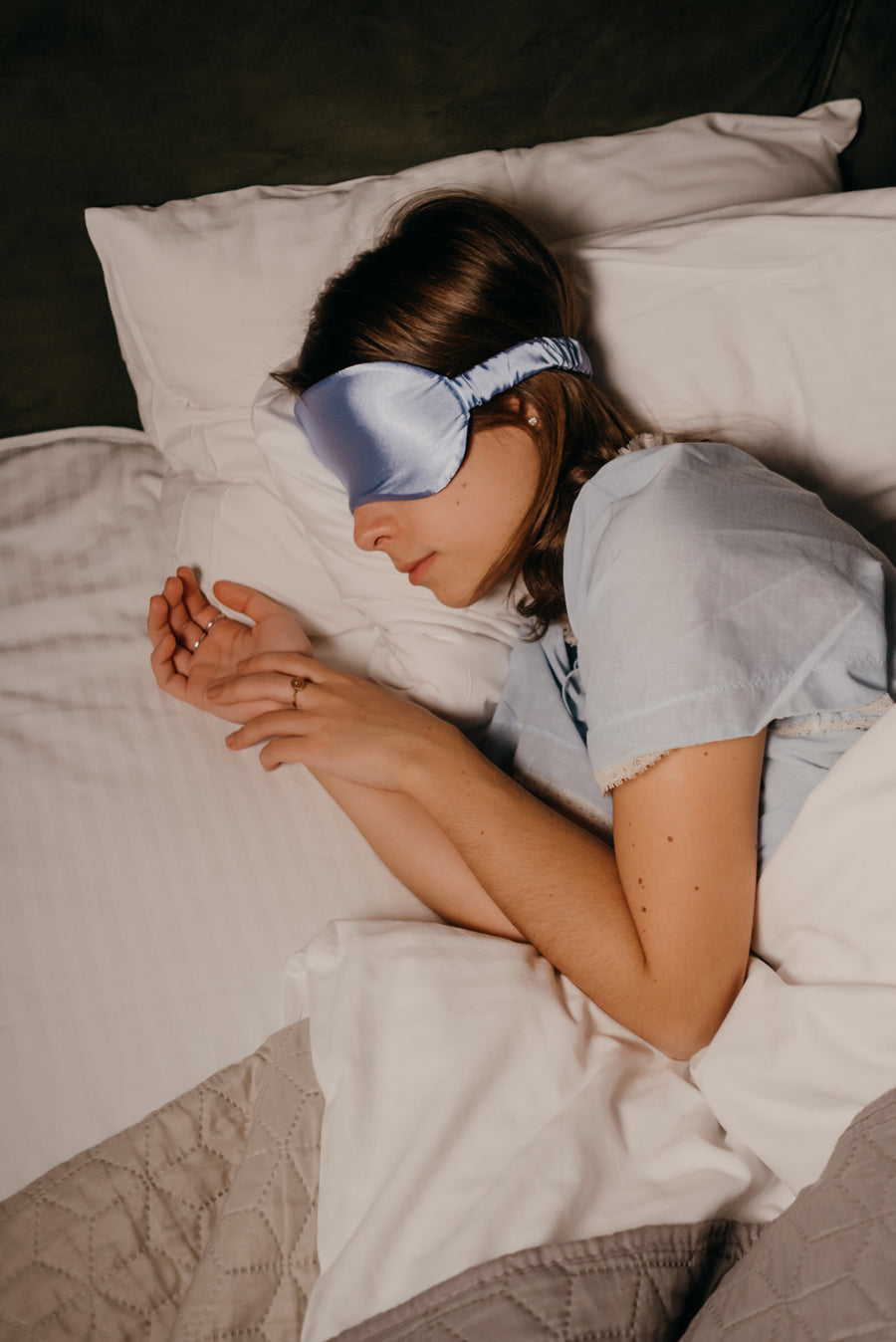
If you have trouble sleeping because your nearest and dearest snores, you’re living in a noisy environment, or you work shifts, you could benefit from sleeping ear plugs.
What makes sleeping ear plugs different?
Unlike other earplugs, sleeping ear plugs are constructed from a very soft durable silicone to block out sound and are shaped to move with your ear. This makes them an extremely comfortable fit for the rest of the night and allows you to dream on. Improve your sleep quality today for £89.
Hearing protection for motorsports
Whether you’re behind the wheel, in the pits or in the stand, you’ll want to know your ears are protected from the dangerously high levels of sound in motorsports. Special motor racing ear plugs have been designed to be low profile, providing maximum comfort when wearing a helmet - as well as the highest possible level of hearing protection.
Hearing protection is available for motorcyclists, motorsports, music, aviation, industry and shooting. Be protected during sports from £155.

Shooting earplugs
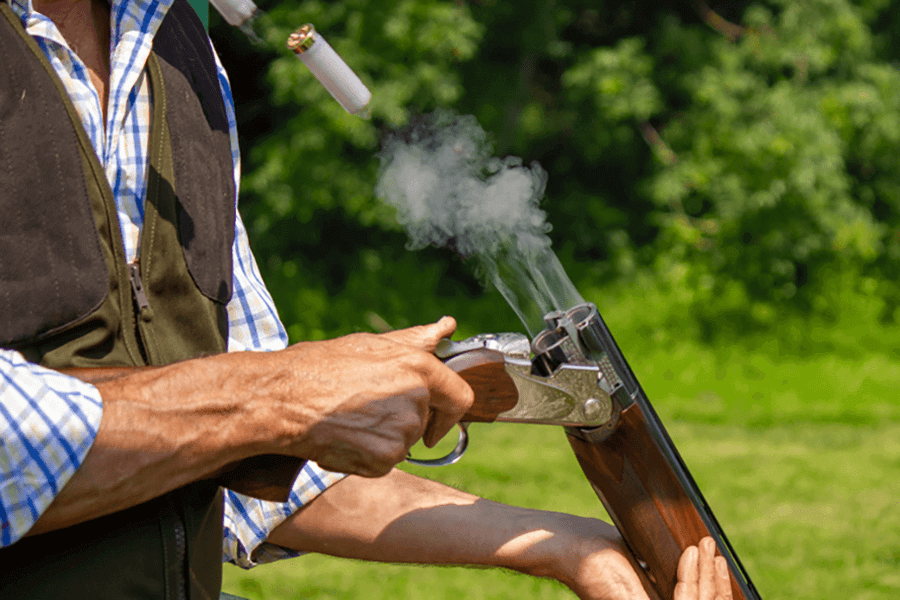
Shooting can damage your hearing in milliseconds, so it is vital that you always wear suitable protection. Luxury fit shooting plugs protect your hearing when you need it most. The suppressors react upon the impact of the momentary loud sound waves that occur when the gun fires. This means you can chat normally when it’s quiet, but as soon as someone fires, your hearing is protected.
Shooting earplugs are available in both custom moulds and generic fits, and also come in a variety of colours. Pricing from £155.
Earplugs for musicians
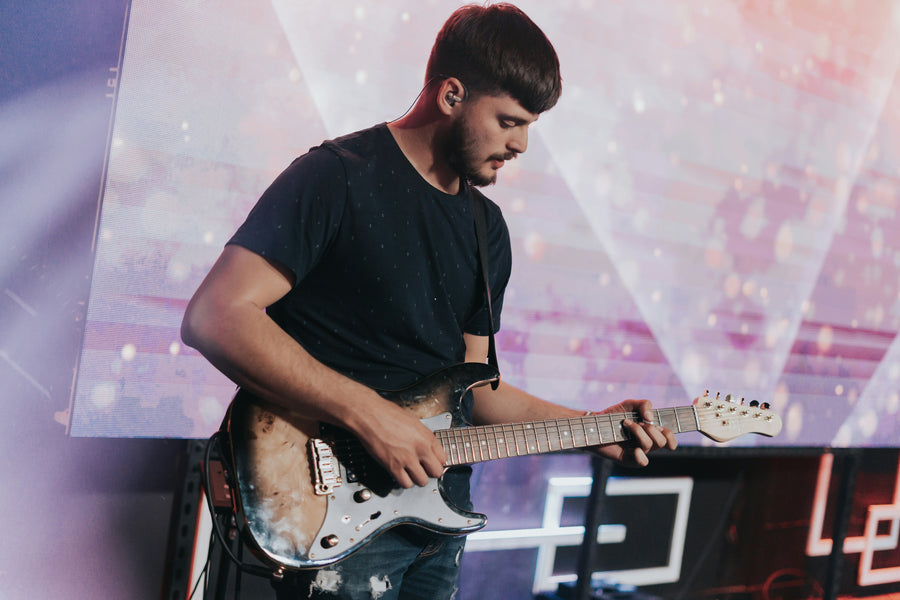
Custom moulded musicians' ear plugs are designed to maintain the clarity and fidelity of music, while lowering the volume to safe listening levels. They are also extremely comfortable, which speaks to why they’re used by many bands and DJs worldwide.
Available in a range of attenuation levels, these earplugs are essential for musicians and performers. Pricing from £155.
In-ear monitors
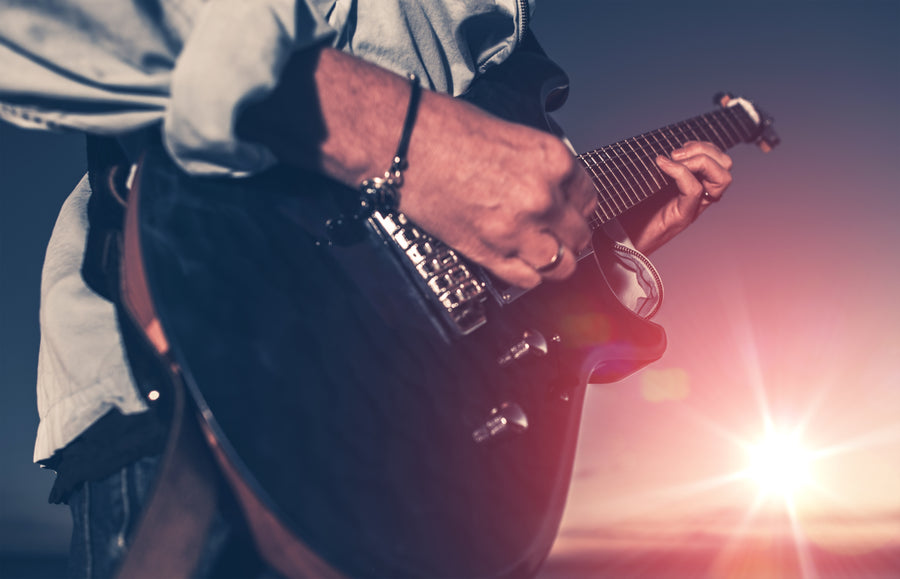
Personal in-ear-monitors are custom-moulded earphones. Used mostly by musicians, they make use of miniature balanced armature transducer technology. Tiny magnetic receivers offer high resistance to mechanical shock and deliver smooth responses with very low distortion levels.
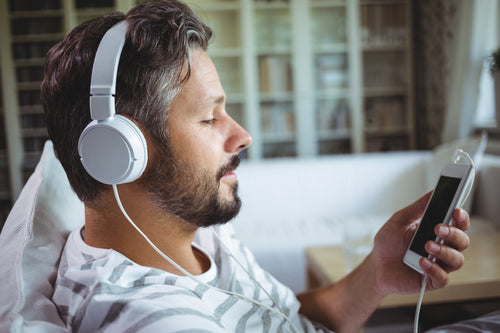
For connection to in-ear-monitor equipment, MP3, hi-fi and most communication systems, ACS monitors reduce the ambient sound environment by approximately 26 dB, so you can listen at a lower, safer volume and help prevent premature hearing loss.
All custom-fit In-Ear monitors require an impression of your ear, which will be taken by one of Leightons’ hearing aid audiologists. These unique impressions are then sent to the manufacturer where your bespoke In-Ear monitor of choice will be created. This makes it easier for replacements to be made if ever needed. Once the customised piece is ready, you have a cushion time of 60 days to ensure they are comfortable for you and, if necessary, adjustments can be made. Pricing from £300.



Sources
[1] Oishi, N., & Schacht, J. (2011). Emerging treatments for noise-induced hearing loss. Expert Opinion on Emerging Drugs, 16(2), 235–245. https://doi.org/10.1517/14728214.2011.552427
[2] How the connections between the ear and the brain change with age (2025, September 5). RNID.https://rnid.org.uk/hearing-research/preventing-hearing-loss/how-the-connections-between-the-ear-and-the-brain-change-with-age/
[3] Wingfield, A., & Peelle, J. E. (2012, April). How does hearing loss affect the brain? Aging Health. https://pmc.ncbi.nlm.nih.gov/articles/PMC4811604/
[4] National Institute on Deafness and Other Communication Disorders (2025, April 16). Noise-Induced Hearing Loss (NIHL) | NIDCD. https://www.nidcd.nih.gov/health/noise-induced-hearing-loss
[5] How Loud is Too Loud?. (2025, September 4). RNID. https://rnid.org.uk/information-and-support/ear-health/protect-your-hearing/how-loud-is-too-loud/