Wearing contact lenses with makeup: the dos and don’ts
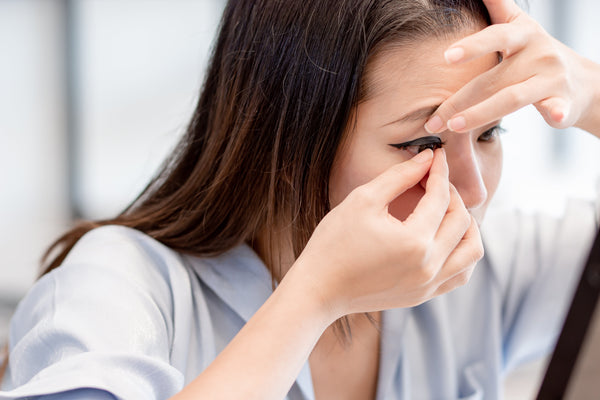
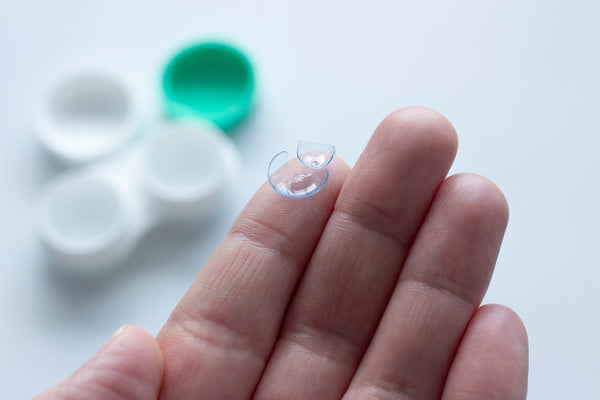
Wearing contact lenses is something more and more people are opting for, either as an alternative to glasses or in combination with traditional spectacles. They give you a more natural look and lots of people like to wear them for special occasions or for work. But if you’re the type of person who likes to wear makeup, it can mean needing to take more things into consideration when wearing your contacts. There are a few factors to consider when wearing makeup and contact lenses. Read on to learn more about it. Should you put in contact lenses before or after makeup? It’s always best to put your contact lenses in before you apply your makeup. This will stop debris, like glitter from eyeshadow, dust, and bacteria from getting into your eye, which can cause irritation or infection. It will also help to prevent creams and oils from your hands from getting into your eyes, which can sting or cause temporary blurry vision. Making sure you apply your lenses before makeup will also mean you can more clearly see what you’re doing as an added benefit. When you go to remove your makeup, always remove your contact lenses first to help avoid irritation or contamination. What to do if you get makeup in your eye with contact lenses in If you get makeup in your eyes when you wear contact lenses, remove the lenses immediately to avoid irritation as much as possible. Clean your lenses with a cleaning solution. If your makeup is still in your eyes, or if they’re still irritated, you may need to rinse them with an eye wash or eye drops. How to clean contact lenses if they have makeup on them If your lenses still have makeup on them after you remove them, you will need to clean them again before re-inserting. Simply follow your usual cleaning routine (especially if you used a peroxide-based cleaning solution) or rinse with a multipurpose solution. You should also make sure to clean and store your contact lenses properly between wears (unless you wear daily lenses, which you replace every day). Makeup products that are safest for contact lens wearers The best type of makeup to use when wearing contact lenses include types that are kind to your skin and contain natural ingredients. Think water-based, hypoallergenic, and oil-free products, and avoid waterproof products where possible. That being said, cream eyeshadows are better than powder ones – although if you can’t give up the powders, simply apply with your eyes closed and gently brush away any fall-out or excess before opening your eyes again. What to avoid when wearing contact lenses and makeup Apply makeup safely, such as using clean brushes, not using expired makeup, and never sharing makeup someone else has used. Keep your makeup and applicators clean to avoid contamination and bacteria getting into your eyes. Never use expired makeup – makeup can harbour bacteria, which can cause irritation and infections. Throw out old makeup like mascara and eyeliner and replace them regularly according to the expiry dates. Don’t share makeup – bacteria and viruses can live on sponges and brushes and can be transmitted to you from others. Always be sure to keep false eyelashes clean. Not only can the adhesives from permanent false lashes cause irritation, but skin and sebum build-up at the base of the lashes themselves can affect your contacts. Always make sure to keep your false lashes clean to maintain good eyelid health and comfort. Contact lenses which are best for makeup wearers Daily contact lenses are ideal for those who wear makeup on a regular basis. They’re specially designed to moisturise your eyes really well and can be removed and thrown away rather than needing to be cleaned between wears. Additionally, if you get makeup in your eye throughout the day, you don’t have to carry cleaning solution and case with you, simply remove and dispose of them instead. When to replace your contact lenses if they get contaminated If you get makeup on your lenses, you should always remove them and rinse them with an appropriate contact solution before putting them back in. However, sometimes, they will still have residue or debris that sticks. If you notice any signs of irritation, discomfort, blurry vision, or anything out of the ordinary, it’s best to dispose of your contact lenses and put in a fresh pair instead to avoid potential eye issues. Attending regular eye check-ups is also essential to maintaining good eye health and lens prescriptions. Book an eye test with Leightons for expert advice on contact lens care. If makeup gets on your contact lenses, you should replace them immediately if you notice any signs of irritation, discomfort, blurry vision, or significant residue on the lens, even after rinsing with contact lens solution; in most cases, it's best to simply discard the lens and put in a fresh one to avoid potential eye problems. Takeaway Whether you prefer a subtle ‘no makeup’ look or love to go bold with bright eyeshadow, you can still enjoy wearing makeup if you wear contact lenses as long as you follow some simple safety steps. Always apply your lenses before your makeup (and remove them before removing makeup), clean or replace your lenses if you get makeup in your eyes, make sure you’re using gentle cosmetics to avoid irritation, and never share or use expired makeup. If you have any concerns or questions about your lenses, always see a professional for advice. Book your eye test today Find a Leightons branch near you
Adult helping child with homework at home, both wearing glasses and focused on the task.
What you need to know about lazy eye
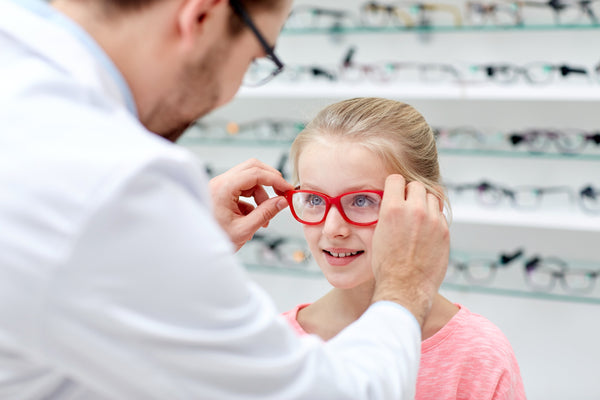
More and more children are now facing vision problems, perhaps partly due to modern lifestyles leading to increased time spent in front of screens. Refraction errors such as Myopia (short sightedness) and Hyperopia (long sightedness) are quite common. Another vision problem in children is Amblyopia or what is commonly referred to as lazy eye. It is a serious eye condition which, if left untreated, can affect your child’s eyesight permanently. It is estimated that around one in fifty children develop lazy eye. Here’s what you need to know about lazy eye and what you can do about it. What is lazy eye? Lazy eye is a condition when a child’s vision does not develop properly, especially in one eye. This usually happens when one eye has better focus than the other, leading to a clearer image in one eye and a more blurry one in the other. Due to this imbalance, the child’s brain soon begins to ignore the blurry image. If left untreated, the child’s vision in that eye will not develop correctly, leading to the central vision of the eye never reaching normal levels. Treatment of lazy eye is focused on getting the child to use the affected eye. The first step is to correct the underlying issue using glasses to correct the focus of the eye. Next is to encourage your child to use the eye again, which is most often by using an eye patch to cover the good eye. Eye exams It is important to be aware that lazy eye will rarely be apparent to you and cosmetically your child’s eyes will often appear normal. Children also fail to report the problem because they don’t know that there is anything wrong. However, an eye exam can detect it easily. Your child’s eye exam should include the following: Ultimate Eye Examination - our optometrists will be able to identify anything unusual for further investigation or monitoring, if required. Our Ultimate Eye Examination is also the most comfortable test for little ones and those with short attention spans or if your little ones are wriggling in the chair. Discussion – We will talk to you about any existing problems, concerns and your family health history Vision Check – Checking the vision in each eye separately to detect any misalignment of the eyes Muscle Check – Checking the muscle strength in each eye by covering each lens separately to detect any muscle misalignment Pupil Reactions – Looking at the pupil inside the eye with a light Prescription – Checking for any vision imperfections to see if there is a need for glasses 3D Vision – Testing for 3D vision capabilities by testing the eyesight with 3D glasses and images Advice – We will talk with you about any requirements you need and answer any questions you have Solution focused - we can advise on contact lenses and glasses to manage conditions like myopia Getting tested The best time to detect lazy eye in your child is when they are around three to four years old, when it can be monitored and treated. To correct lazy eye, treatment can take many months and is a slow gradual process. It should be started no later than the age of six. The younger the child is when a lazy eye is diagnosed, the more successful treatment is likely to be because the connection from the eye to the brain is more likely to develop correctly. This is why we say treatment should be completed by the age of seven because after that point the brain tends to be less able to adapt to change. Bringing your child to your local Leightons Opticians and Hearing Care branch for an eye examination is a great first step in looking after your child’s eye health. Our warm and friendly atmosphere will make your child feel comfortable and our trained practitioners will explain the process in detail to you. Based on the eye test results, our Optometrist will help you choose the correct frames and lenses for your child if needed. Select from a wide range of glasses and get any frames customised to your requirements. Lenses made with lightweight materials such as plastic can be a popular choice for very active children. If your child plays any sports, we recommend you get protective glasses or sports goggles with polycarbonate lenses. These will protect your child’s eyes against any sports injuries. Book an appointment Book an appointment online at Leightons Opticians & Hearing Care or call us on 0800 40 20 20 today. We are open by appointment only, with the safety of you and our practice teams as our top priority.
Load more