Sign in
 Basket


How Should Glasses Fit?
Finding the right fit for your glasses can be tricky – between making sure they don’t keep slipping down and not so tight that they mark the bridge of your nose, there are many factors to ensuring the best fit when getting used to new glasses. Ill-fitting glasses can be uncomfortable and can make wearing them more of a hindrance than a help. From the frame width to the pupillary distance and beyond, read on to learn how should your glasses fit.
Why Proper Fit Matters
Anyone who’s had a pair of glasses slide down their nose every 5 minutes knows that well-fitting frames are essential. But finding a good fit is more than a matter of convenience and comfort. Glasses that don’t fit well can cause eye strain, vision problems, and headaches.
How Glasses Should Fit Different Parts of Your Face
There isn’t a one-size-fits-all pair of frames when you’re choosing glasses, there are many different parts that combine to create the perfect fit.
Fit Around Your Eyes
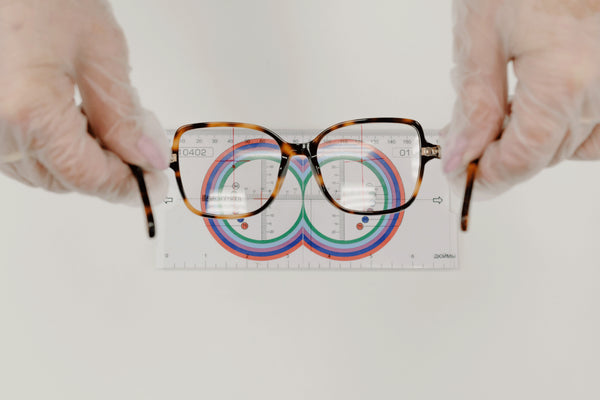
The middle of your new lenses should align with the level of your pupils. This is because the centre of the lenses is the location with the best and most accurate prescription and is the part you are typically looking through for middle-distance viewing.
Fit on Your Eyebrows
Depending on the frames you choose, For optical glasses, the top of them should sit at the same level or slightly below your eyebrows for both optimal functionality and aesthetics. Sunglasses
Fit on Your Cheeks
Ideally, the bottom rim of your frames should not touch your cheeks, either when they’re sitting on your bridge or when you smile. This prevents smudges on your lenses and is also a comfort factor.
Fit on Your Nose
The nose pads of your glasses should rest comfortably on the bridge of your nose without causing pressure, nor should they keep slipping down your nose. Different nose shapes will find different glasses designs to be more comfortable so you may need to try a few different frames before you find the perfect fit for your nose shape.
Fit on Your Ears
The sides or temples of your glasses should curve over the top of your ears comfortably without pinching or causing discomfort. Proper temple length and adjustment keep your glasses in place, ensuring they don’t slide down your nose and sit in the correct place. This ensures optimal optical performance, which is particularly important for higher prescriptions
Fit Around Your Head
The width and fit of your glasses around your head should be well-balanced. They should fit snugly enough that they stay in place without being so tight that they leave pressure points or cause headaches. Additionally, they shouldn’t be so loose that they slip down your face.
Identifying Poor Fit Issues
If you’ve put on your new glasses and feel like something is a bit off, how can you tell what needs to be fixed? Here are some troubleshooting tips to help identify poor fit issues.
Signs Your Glasses Are Too Tight
If you’ve been wearing your glasses for a bit of time and have noticed any discomfort and pressure, headaches, or red marks on your skin, your glasses are probably too tight and need some adjusting by your opticians. Red marks can also look like indentations in your skin or irritated patches and can be located:
Beneath the nose pads
Where the arm/side of your glasses sit against your temples
Behind or on top of your ears
On the tops of your cheeks
Signs Your Glasses Are Too Loose
Sometimes, your glasses fit too loosely. Too-loose glasses frequently slide down your nose and need constant readjustment on your face. This can be frustrating and distracting, and it means your glasses aren't always sitting at the right level on your face, which might strain your vision.
Identifying Crooked Glasses
If your glasses feel unbalanced or uneven when you wear them, look in the mirror: they might be crooked. Ensure the bottom of your glasses rims are straight on your face (many people have uneven eyebrows or ears, so measuring them against your brow line isn’t as useful). If they are crooked, take them to your opticians to get them adjusted.
Adjusting Your Glasses for the Perfect Fit
If your glasses aren’t fitting correctly, some things can be done to adjust them to help them fit better and make them more comfortable.
DIY Adjustment Tips
Making drastic tweaks to your glasses at home isn’t recommended, as you can easily bend things too far the wrong way and damage your frames. It’s best to visit your optician for adjustments but you can do some things at home to help make your glasses more comfortable.
If your glasses hurt or rub your ears, try applying a little baby powder behind your ears to reduce friction and any moisture that might be causing irritation.
You can gently adjust the nose pads (if your glasses have them) by applying a little pressure to each side. Be very gentle, as the metal arms holding them in place are quite thin and delicate.
If you’re constantly pushing your glasses up your nose, it could just mean that the hinges are a little loose. Try tightening the screws on either side with a glasses screwdriver, being careful not to loosen them further – those screws are very tiny and hard to find if they fall out.
When to Seek Professional Help
For more complex fit issues, it’s best to take your glasses back to your opticians. They will have instruments and techniques that adjust your glasses gently and reduce the risk of breaking parts of your frames.
Your glasses should be comfortable and shouldn’t bother you while you wear them. In fact, they should be almost unnoticeable, and you should forget that you are wearing them. If they are pinching your face, leaving red marks, giving you headaches, or constantly sliding down your face, they will need some adjusting to get fitted correctly again. Book an appointment today with your local Leightons branch to speak to our qualified opticians and find the perfect fit for your glasses.
Book an appointment online
Learn more