What are punctal plugs?

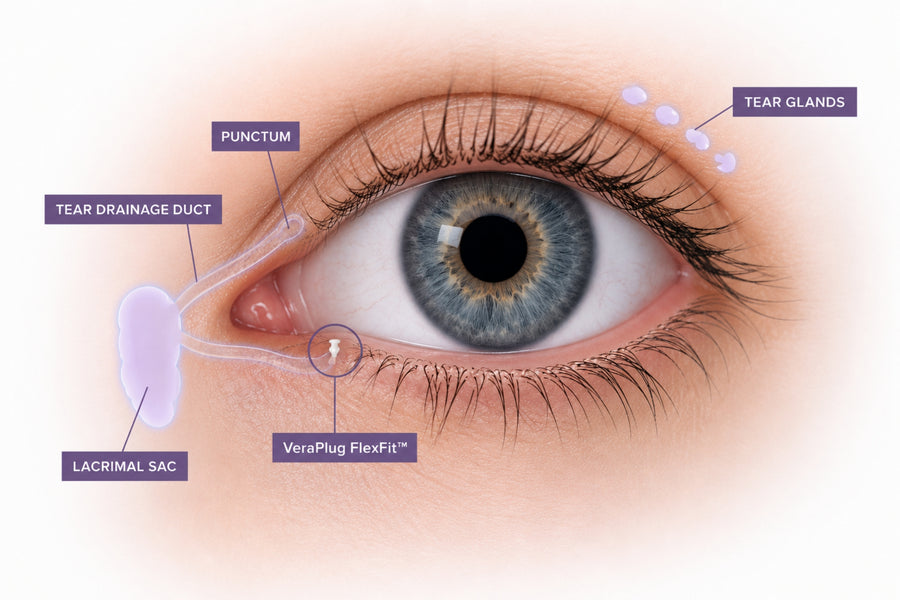
Punctal plugs are tiny, soft medical devices that are placed into the tear drainage openings (called the puncta) found in the inner corners of your upper and lower eyelids.

Normally, every time you blink, tears spread across the surface of your eyes before draining away through these tiny openings into your nose. This is a healthy process, but for some people with dry eye disease, tears drain away too quickly or there simply aren't enough tears being produced.

By gently slowing this drainage, punctal plugs allow your own natural tears to remain on the surface of your eyes for longer. This helps keep your eyes naturally lubricated, reducing dryness and improving comfort.

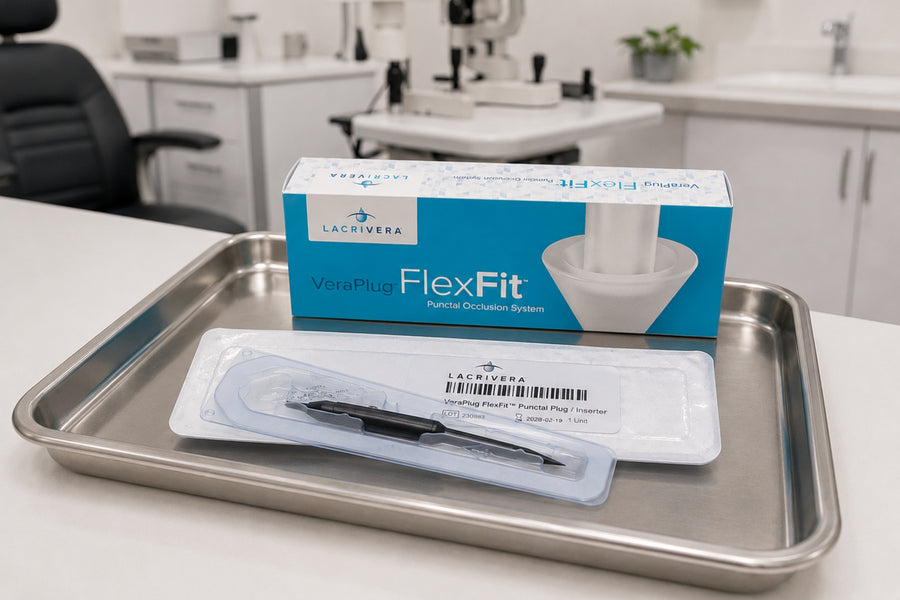
At Leightons, we use VeraPlug® FlexFit punctal plugs, chosen for their excellent comfort and secure fit.

Unlike lubricating eye drops, which need to be applied regularly throughout the day to provide temporary relief, punctal plugs work continuously by helping your eyes make better use of the tears you already produce.
What happens during punctal plug fitting?

Many patients are surprised by how quick and straightforward the procedure is, often taking just a few minutes from start to finish. It is a gentle, minimally invasive treatment that is usually well tolerated, with most people describing only mild or no discomfort.

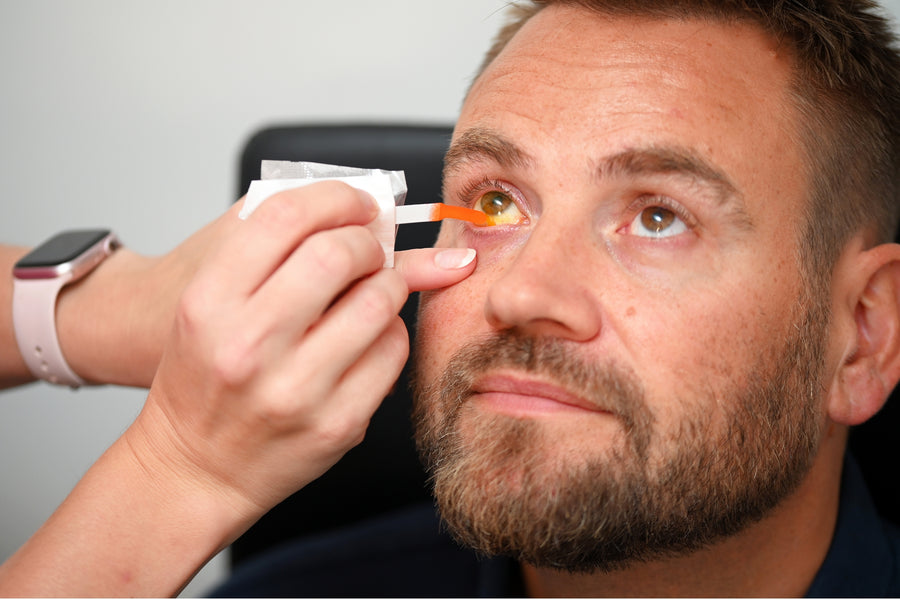
Before fitting punctal plugs, your clinician will perform a comprehensive Dry Eye Assessment. This allows us to understand exactly what's causing your symptoms rather than simply treating them.

Your assessment may include:

  • Discussion of your symptoms and medical history
  • Tear film assessment
  • Examination of your eyelids and meibomian glands
  • Advanced imaging of the ocular surface
  • Evaluation of tear production and tear quality

Once we've identified the cause of your dry eye disease, we'll explain the treatment options available and whether punctal plugs are appropriate.

If punctal plugs are recommended, the fitting procedure usually takes only a few minutes.

After examining the puncta, your clinician gently inserts the plug into the tear drainage opening.

Anaesthetic eye drops may be used to maximise comfort, although many patients find the procedure comfortable without them.

The plugs sit discreetly within the punctum and are not usually visible once fitted.

Your clinician will explain how to care for your eyes after treatment and may recommend a follow-up appointment to check that the plugs remain comfortably positioned and that your symptoms are improving.

What happens after punctal plug fitting?

There is usually no downtime after punctal plug fitting, so you can return to most normal activities straight away. Most people are not aware of the plugs once they have settled and may begin to notice improved comfort within a few days, although the benefits can develop more gradually over several weeks.

Punctal plugs can remain in place long term. How long they last will depend on the type of plug used and your individual circumstances.

Some remain in place for months or years, while others may naturally work loose and need to be replaced. Your clinician can check their position as part of your ongoing dry eye care.

For most suitable patients, punctal plugs improve dry eye symptoms rather than making them worse.

However, they are not appropriate for every type of dry eye. Significant inflammation or infection may need to be treated before punctal plugs are fitted, which is why a comprehensive Dry Eye Assessment is so important.

Some people may experience temporary watering or mild awareness as their eyes adjust. Contact your clinician if symptoms persist or become uncomfortable.

A correctly fitted punctal plug should not scratch your eye. Most people cannot feel the plugs once they have settled into place.

Occasionally, a plug may move or sit differently than intended, causing awareness, irritation or a scratching sensation. Contact your clinician if this happens so they can examine, adjust, replace or remove the plug if necessary.

In most cases, you can continue wearing eye makeup once the punctal plugs have settled.

Your clinician may recommend avoiding makeup for a short time immediately after treatment if your eyes feel sensitive. Choosing gentle products, removing makeup thoroughly and maintaining good eyelid hygiene can also help support your tear film and overall eye comfort.

Yes. Punctal plugs can be removed if they are no longer needed, if your symptoms change or if your clinician recommends a different approach.

Removal is usually a quick procedure carried out in practice. You should not attempt to remove a punctal plug yourself.

Who are punctal plugs suitable for?

Punctal plugs are not suitable for everyone, which is why a thorough Dry Eye Assessment is so important.

You may benefit from punctal plug treatment if you:

  • Have been diagnosed with dry eye disease
  • Need to use artificial tears several times a day
  • Have aqueous-deficient dry eye
  • Experience dry eyes after laser eye surgery
  • Wear contact lenses but struggle with comfort
  • Are looking for a longer-lasting alternative to frequent eye drops

Your clinician will assess the health of your tear film, eyelids and ocular surface before recommending whether punctal plugs are the right treatment for you.
Book your dry eye assessment today

Do punctal plugs help dry eyes?

Yes, for many people, punctal plugs can be an effective way to manage dry eye symptoms, particularly when dryness is caused by reduced tear production or excessive tear drainage.

By helping the eyes retain moisture for longer, punctal plugs may:

Improve tear retention

Help your natural tears stay on the eye surface for longer, supporting consistent lubrication.

Reduce discomfort

Ease burning, soreness, gritty sensations and general irritation.

Improve visual stability

Reduce fluctuating or blurred vision caused by an unstable tear film.

Reduce reliance on eye drops

Lower the need for frequent artificial tear use throughout the day.

Improve daily comfort

Make reading, screen use and driving more comfortable.

Support contact lens wear

Improve tolerance and comfort for contact lens users.

Punctal plugs are often used alongside other treatments such as eyelid hygiene, lubricating drops, warm compresses or advanced therapies, depending on the underlying cause of your dry eye disease.

Why choose Leightons for punctal plug treatment?

Dry eye disease affects everyone differently, which is why we believe treatment should never be one-size-fits-all.

Our clinicians take the time to understand what's causing your symptoms before recommending treatment, ensuring you receive care that's tailored to your eyes rather than simply treating the symptoms.

At Leightons, you'll benefit from:

  • Experienced clinicians with advanced dry eye expertise
  • Comprehensive Dry Eye Assessments
  • Personalised treatment plans
  • Advanced diagnostic imaging
  • Access to a range of dry eye therapies
  • Ongoing support and aftercare

Whether punctal plugs are the right treatment on their own or form part of a wider dry eye management plan, we'll guide you through every step of your journey.
A smiling man wearing stylish red sunglasses and a brown jacket.
MyLeightons member benefits
Looking after your eyes is an ongoing commitment, and MyLeightons makes expert care more accessible. As a member, you’ll receive 20% off eligible eye therapy appointments and dry eye care products, plus access to exclusive benefits throughout the year to help you manage your eye health with confidence.

Punctal plugs cost

If you're considering treatment, you may be wondering about punctal plugs cost.

At Leightons, punctal plugs are only recommended following a comprehensive Dry Eye Assessment, allowing us to understand the underlying cause of your symptoms and determine whether this treatment is appropriate for you.

Treatment fees

  • £300 for a pair of punctal plugs
  • Most patients benefit from treatment in both eyes
  • MyLeightons members receive 20% off eligible treatment fees

Your clinician will explain all costs before treatment begins and discuss whether punctal plugs are the right option for your individual needs.

Book your dry eye assessment today

Where can I have punctal plugs fitted?

Camberley

62 High Street, Camberley, Surrey, GU15 3RS

Cobham

5 Holly Parade, Cobham, Surrey, KT11 3EB

Leadenhall Street

79 Leadenhall Street, London, Greater London, EC3A 3DL

Book your Dry Eye Assessment
If dry eyes are affecting your daily life, there’s no need to put up with discomfort. Our experienced team is here to help you find lasting relief and restore comfort to your vision.
Find your nearest branch

Whether you need expert optical or hearing care, our friendly teams are here to help. With 37 branches across the South of England, finding your local Leightons is just a click away with our branch finder.

FAQs

Yes. For suitable patients, punctal plugs are both safe and effective. They have been used in eye care for many years and can significantly improve comfort by helping natural tears remain on the surface of the eye for longer.

Your clinician will always assess whether they're appropriate for your specific type of dry eye disease before recommending treatment.

Most patients are unaware the plugs are there once they've settled into position.

Some people notice mild awareness for the first day or two, but this usually resolves quickly.

Some patients notice an improvement within a few days, while others experience gradual relief over several weeks as the ocular surface recovers.

The speed of improvement varies depending on the severity and underlying cause of your dry eye disease.

Many patients find they use lubricating eye drops less often after punctal plug treatment.

However, punctal plugs are usually one part of a personalised dry eye management plan and may be combined with lubricants, eyelid hygiene or other advanced treatments to achieve the best results.

In many cases, yes. In fact, punctal plugs may improve comfort for contact lens wearers who experience dryness during the day.

Your clinician will advise whether they're suitable alongside your contact lenses.