Tinnitus Awareness Week: What You Need to Know

Around 7.5 million people in the UK [1] and more than 740 million people worldwide experience some form of tinnitus [2]. Even children as young as ten have been reported to show symptoms. 

This is why Tinnitus Awareness Week plays such an important role. Held each year at the beginning of February, it helps shine a light on a condition that is often invisible but deeply impactful. The week aims to raise understanding, encourage people to seek support, and highlight the many ways tinnitus can be managed, helping those affected feel heard, supported and less alone. 


Tinnitus symptoms 

Tinnitus is often described as a ringing in the ears, but it can also sound like rushing, clicking, humming, buzzing or other sounds that have no external source. If you’ve ever left a loud concert or nightclub and noticed a temporary ringing or rushing noise, you’ve experienced a short-lived form of tinnitus. 

Symptoms may come and go, but persistent tinnitus can lead to sleep difficulties, concentration problems, stress, and anxiety. 


What causes tinnitus? 

The exact causes of tinnitus aren’t fully understood, but it’s widely considered a symptom rather than a condition in itself. Common causes include: 

  • Hearing loss is the most common underlying factor in tinnitus, with around two‑thirds of people who experience tinnitus also having some degree of hearing loss [3]. When hearing ability is reduced, everyday sounds that would normally mask internal noises are no longer detected, making tinnitus more noticeable. 

  • Regular exposure to loud noises, typically sounds above 85 decibels, such as a food blender or lawnmowercan damage the tiny hair cells inside the cochlea. This damage is a common cause of tinnitus. It’s why many musicians experience tinnitus, including Chris Martin, Phil Collins and Eric Clapton. Encouragingly, more and more younger musicians are now choosing to wear hearing protections. 

  • A build-up of earwax can also cause or worsen tinnitus.When wax blocks the ear canal, it reduces the ability to hear external sounds, making the internal sound of tinnitus seem more noticeable [4]. Clearing excess earwax can help reduce symptoms, and we recommend having wax professionally removed rather than using home remedies. 

  • Other medical factors can trigger tinnitus too. These include stress, certain medications, ear infections, ear or head injuries, neurological conditions, metabolic disorders such as diabetes, and inner‑ear conditions like Meniere's disease. 


Why Tinnitus Awareness Week matters 

The Tinnitus Awareness Week plays a vital role in highlighting this invisible and often misunderstood condition. Tinnitus is closely linked with mental wellbeing [5], and for some people it can become frustrating, isolating, and even lead to depression. 

The week aims to raise awareness, improve understanding, and emphasise the importance of providing compassionate, comprehensive care for those affected. 


How can you treat or manage tinnitus? 

There is currently no cure, but there are many effective ways to manage tinnitus and reduce its impact. 

Hearing aids for tinnitus 

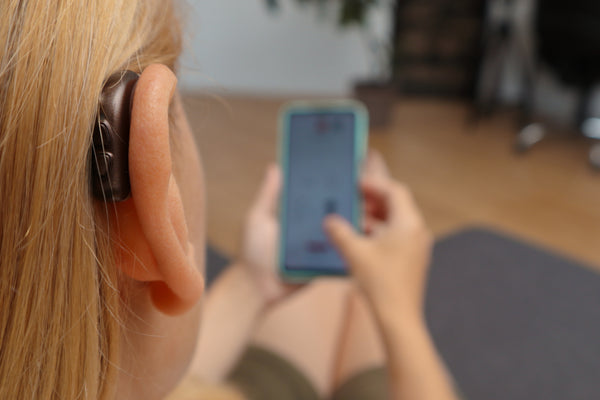
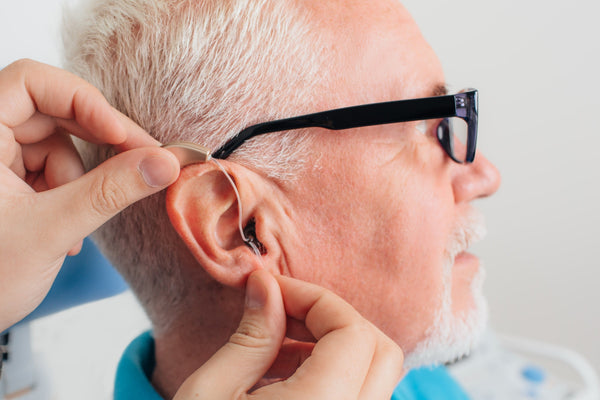
Most modern hearing aids, including models from Oticon, Starkey, and ReSound, include tinnitus management features. These can play soothing sounds such as birdsong, soft chimes or gentle music to help mask tinnitus. Many also allow personalisation through a companion smartphone app. 

Professional earwax removal  

If you regularly experience wax build-up, seeing your hearing clinician for routine earwax removal can be an important part of managing tinnitus. 

Therapeutic approaches 

  • Cognitive Behavioural Therapy (CBT) helps you change unhelpful thoughts and feelings linked to tinnitus. By managing stress and reframing the way you respond to the sound, tinnitus often becomes far less intrusive [6]. 

  • Sound Enrichment Therapy takes a similar approach to the hearing aid. Having a gentle background sounds, like rain, ocean waves or soft white noise, help reduce the contrast between silence and tinnitus. This can make the sound feel calmer, especially when relaxing or trying to sleep. 

  • Tinnitus Retraining Therapy (TRT) combines personalised counselling with sound therapy. Over time, it trains your brain to pay less attention to tinnitus, helping it fade into the background of everyday life. [6]. 


Tinnitus prevention 

Modern life can be noisy, so taking steps to protect your hearing is one of the best ways to reduce your risk of tinnitus. 

Our audiologists recommend using hearing protection at loud events, when working with noisy machinery, or even when swimming in cold water. Specialist earplugs protect your hearing while maintaining a natural sound experience. 

If you often use headphones, for music, gaming or work, consider custom‑moulded in‑ear monitors. They offer exceptional sound quality, reduce ambient noise by up to 26 decibels, and allow you to listen at safer volumes without losing clarity. 


Conclusion 

Living with tinnitus can be challenging, but you don’t have to face it alone. Whether your symptoms are occasional or persistent, support is available, and small steps can make a meaningful difference to your comfort and wellbeing. 

Tinnitus Awareness Week is a reminder of how important it is to talk openly about tinnitus, seek help early, and make sure everyone can access the right support. If you’re concerned about tinnitus, or simply want to protect your hearing for the future, we’ve created a detailed guide that explains what tinnitus is and how it’s diagnosed. 

If you’re ready to take the next step, you can also learn more about our tinnitus management service and how we can help you live life to the fullest, with confidence in your hearing health. 


Sources: 

[1] Tinnitus UK (n.d.) Our vision. https://tinnitus.org.uk/what-we-do/our-vision/ (Accessed: 26 January 2026). 

[2] Chung, D.Y., Han, S. & Lee, H. (2022). Tinnitus: From mechanisms to treatments. Journal of Clinical Neurology. https://pmc.ncbi.nlm.nih.gov/articles/PMC9361184/ (Accessed: 26 January 2026). 

[3] RNID (2018) Understanding tinnitus. https://rnid.org.uk/wp-content/uploads/2020/05/Understanding-tinnitus-screen-res-LP-2018.pdf (Accessed: 26 January 2026). 

[4] Tinnitus UK (n.d.) Tinnitus and ear wax. https://tinnitus.org.uk/understanding-tinnitus/living-with-tinnitus/tinnitus-and-ear-wax/ (Accessed: 26 January 2026).  

Chan, H.B.Y., Low, D., Yuen, H.W. & How, C.H. (2020) Tinnitus – ringing in the ears. Singapore Medical Journal, 61(9), pp. 448–452. https://pmc.ncbi.nlm.nih.gov/articles/PMC7927175/ (Accessed: 26 January 2026). 

[5] Hackenberg, B., Döge, J., O’Brien, K., Bohnert, A., Lackner, K.J., Beutel, M.E., Michal, M., Münzel, T., Wild, P.S., Pfeiffer, N., Schulz, A., Schmidtmann, I., Matthias, C. & Bahr, K. (2023) Tinnitus and its relation to depression, anxiety, and stress – A population‑based cohort study. Journal of Clinical Medicine, 12(3), p.1169. https://pmc.ncbi.nlm.nih.gov/articles/PMC9917824/ (Accessed: 26 January 2026). 

[6] Gaertner, D.J., Riley, L.K. & Martin, D.G. (1998) Reflections on future needs in research with animals. ILAR Journal, 39(4), pp. 306–315. https://pmc.ncbi.nlm.nih.gov/articles/PMC11528090/ (Accessed: 26 January 2026). 

You may also like

Group of adults socializing and enjoying drinks together at an outdoor evening gathering with string lights and food on the table.
How do hearing amplifiers work?
Hearing amplification devices increase the volume and might make it easier for you to hear sounds louder. Yet they not a prescribed product and do not match your individual needs. Hearing loss is extremely common – millions of people in the UK live with a hearing loss, so you’re not alone. At Leightons Opticians & Hearing Care, our expert audiologists will help you identify the best device for you, in most cases this is a Hearing Aid. What is a hearing amplifier? Much like a tiny PA system, hearing amplification devices use microphones to capture and amplify all sounds around you, before delivering it to your ear at an adequate and audible volume level. What kind of devices are available? There are plenty of hearing amplifiers designed to help you while on the telephone, watching TV, and for in-person conversations. However, these devices amplify all sounds equally and aren’t designed to support hearing loss. For an all‑round solution that adapts to your personal hearing needs, a hearing aid is often the most effective option. Our expert audiologists can assess your hearing and guide you towards the most suitable hearing aid for your lifestyle and needs. What’s the difference between a hearing aid and a hearing amplifier? All hearing aids use amplification, however, hearing aids are regulated medical devices carefully programmed and tailored to fit the hearing loss of a particular individual. This makes them more suitable for moderate to severe hearing loss. Hearing amplifiers are not medical devices and are not designed to diagnose, treat or manage hearing loss. They don’t adapt to your individual needs, meaning they offer volume without improving clarity or understanding. What are induction loops? An induction loop is an older technology system designed to help hearing aid users to hear more clearly in some specific environments. You’ll often find them in places like meeting rooms, theatres, banks, and cinemas.  Here’s how it works:  A thin cable is installed around a room or designated listening area  The system creates a magnetic field that carries speech or important sound  When you switch your hearing aid or ALDs to the T (telecoil) setting, you can hear the sound closer to you and more clear with less background noise  Induction loops can make a huge difference to day‑to‑day listening comfort. Our audiologists can help you understand how loops - and other assistive listening devices - can work with Hearing Aids.  What is Auracast? Auracast is a new Bluetooth audio technology designed to make listening more inclusive. It allows one device to broadcast high-quality sound to multiple compatible hearing aids, earbuds, or headphones at the same time, without the need for pairing. Developed with the hearing aid industry for assistive listening, Auracast could mean easier access to shared audio in public spaces such as train stations and lecture theatres. For people with hearing loss, it’s a positive step towards clearer sound and greater confidence in everyday situations. Leightons free hearing test Leightons Opticians & Hearing Care offers a free hearing test in all branches. We provide a comprehensive hearing check carried out by our experts – professionally trained hearing aid audiologists registered with the HCPC (Health & Care Professions Council), with some even members of the British Society of Hearing Aid Audiologists. Book your free hearing test now You can book an appointment online or you can call us on 0800 40 20 20 to arrange a free hearing test at your nearest Leightons branch. Alternatively, you can take the test at home. This involves the same experienced, professional audiologist you would see in branch coming to your home to carry out your hearing test with specialist portable equipment.
Navigation Previous
Navigation Next