Unwrapping the 12 myths of hearing loss this Christmas

We’ll watch far too much TV, overindulge at Christmas meals while chatting with the family, and listen to the classic (and some not-so-classic) Christmas songs from years gone by.

Christmas can be an onslaught for your ears. So we’ve gathered together the 12 biggest myths about hearing loss to help you sort fact from fiction.

1. Hearing loss will only affect me when I’m older

Wrong. Hearing loss can happen at any age. In fact, your hearing can begin to decline from the age of 25 onwards. Half of the population suffer high-frequency hearing loss by the time they are 50, while those over 65 only account for a third of all cases of hearing loss.

2. Hearing aids are large and uncomfortable

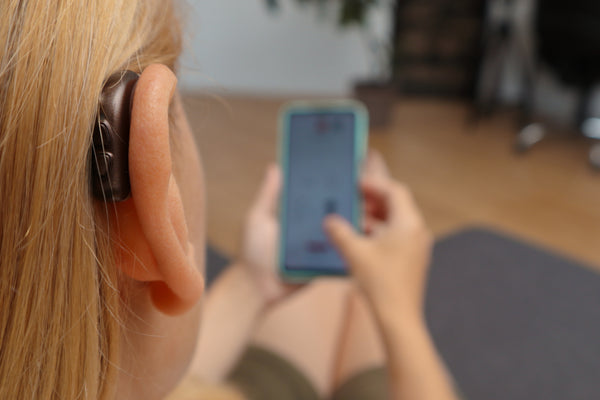
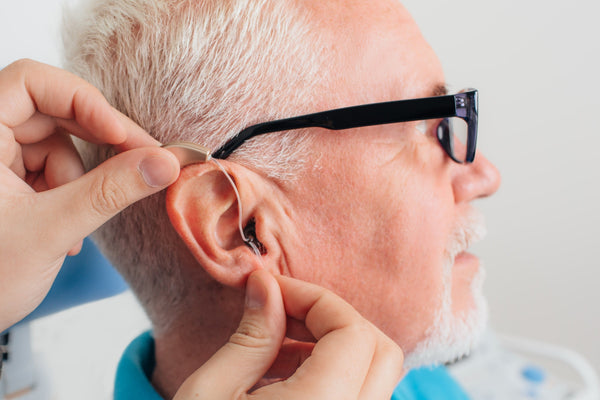
Hearing aids have come a long way. They’re no longer the large, heavy pieces of equipment they once were. Today, they’re sleek, lightweight bluetooth-connected digital devices that come in all shapes, sizes and different skin tones. You can find out more here. The size of hearing aid you need depends on the type and severity of your hearing loss – many hearing aids fit entirely in your ear canal, rendering them almost invisible.

3. Hearing loss is just hearing loss - I can live with it

Don’t assume hearing loss is just ‘one of those things’ and try to put up with it. Hearing loss can lead to subtle but life-changing behaviours. Before too long you can find yourself declining more and more social events, as you can’t take part in conversations. What’s more, researchers have found a strong link between hearing loss and dementia. A 2011 study by John Hopkins and the National Institute on Aging suggested that elderly people who suffer from hearing loss are also more likely to suffer from dementia over time.

4. Music players and headphones won’t damage my hearing

They won’t if you’re really careful. But few music players or headphones have volume limiting features. If you can, keep your volume to a minimum, or buy headphones that either block out ambient noise (look for silicon earbuds) or actively cancel out noise using their clever in-built electronics (look for ‘noise cancelling’ headphones – although they are more expensive).

5. Hearing loss is inevitable. If it happens, it happens

Not at all. There are things you can do to reduce your chances of developing hearing loss. Here’s our top five:

  1. Avoid loud noises – noisy job? Try ear plugs. Try to protect your hearing from prolonged exposure to excessively loud noises.
  2. Don’t put anything in your ears – a third of the UK adult population use cotton buds in their ears, resulting in over 7,000 hospital admissions every year.
  3. Keep your ears dry – water left in your ears for a long time can lead to bacterial infections, and even hearing loss.
  4. Stay fit and healthy – yes, staying active and eating well can even benefit your hearing!
  5. Have regular hearing tests – spotting hearing loss early can help slow its progress.

6. Hearing tests aren’t as important as eye tests

Hearing tests are just as important as eye tests. We all know we should have eye tests at least every two years, according to advice from the NHS. Part of the reason for this frequency is that problems often occur slowly over time (think how your glasses prescription changes over the years) it’s the same with hearing tests.

Every one of your hearing tests with us is carefully recorded, allowing us to identify any changes over time.

7. I shouldn’t be worried if I miss some words here and there

Probably not, but it’s worth getting your hearing checked just in case. It’s normal to miss a few words during a conversation, especially in noisy environments like coffee shops or restaurants, but regularly struggling to hear certain words can be a sign of hearing loss.

Hearing changes slowly and high-frequency sounds disappear first. Perhaps you have got used to struggling to follow the conversation in a busy restaurant, or not noticing the ticking of your kitchen clock.

8. Hearing aids make your ears lazy

Quite the opposite is true. The earlier you get a hearing aid fitted the better. Without any treatment, hearing loss can cause ‘auditory deprivation’ – the brain loses the ability to interpret words due to a lack of stimulation over an extended period of time. Hearing aids can reduce or even prevent it.

9. It’s better to leave wearing hearing aids until your hearing is worse

You guessed it – hearing aids actually slow the rate of deterioration in your brain’s ability to process sounds. The longer you put off getting a hearing aid, the quicker your auditory processing deteriorates.

10. Tinnitus and hearing loss are unrelated

Tinnitus is often a symptom of hearing loss – 90% of tinnitus occurs as a result of hearing loss. Therefore, many people find that wearing hearing aids stops them from being aware of their tinnitus. Some hearing aids have dedicated tinnitus features to help distract you from the tinnitus sounds.

11. Nothing can be done about tinnitus

Tinnitus is incurable, but there are treatment options. Many people find that wearing hearing aids helps to manage their tinnitus, with some hearing aids offering a tinnitus relief setting. Book an appointment with our audiologists at Leightons to find out more.

12. Leightons only do eye tests, don’t they?

You might know us as an optician, but there’s more to us than meets the eye. We offer a full hearing care department, with qualified audiologists ready to help you improve your hearing and live the life you deserve.

If you have concerns about your hearing or have any further questions, why not book a free hearing test online, call us on 0800 40 20 20, or pop in to your nearest Leightons branch.

You may also like

Group of adults socializing and enjoying drinks together at an outdoor evening gathering with string lights and food on the table.
How do hearing amplifiers work?
Hearing amplification devices increase the volume and might make it easier for you to hear sounds louder. Yet they not a prescribed product and do not match your individual needs. Hearing loss is extremely common – millions of people in the UK live with a hearing loss, so you’re not alone. At Leightons Opticians & Hearing Care, our expert audiologists will help you identify the best device for you, in most cases this is a Hearing Aid. What is a hearing amplifier? Much like a tiny PA system, hearing amplification devices use microphones to capture and amplify all sounds around you, before delivering it to your ear at an adequate and audible volume level. What kind of devices are available? There are plenty of hearing amplifiers designed to help you while on the telephone, watching TV, and for in-person conversations. However, these devices amplify all sounds equally and aren’t designed to support hearing loss. For an all‑round solution that adapts to your personal hearing needs, a hearing aid is often the most effective option. Our expert audiologists can assess your hearing and guide you towards the most suitable hearing aid for your lifestyle and needs. What’s the difference between a hearing aid and a hearing amplifier? All hearing aids use amplification, however, hearing aids are regulated medical devices carefully programmed and tailored to fit the hearing loss of a particular individual. This makes them more suitable for moderate to severe hearing loss. Hearing amplifiers are not medical devices and are not designed to diagnose, treat or manage hearing loss. They don’t adapt to your individual needs, meaning they offer volume without improving clarity or understanding. What are induction loops? An induction loop is an older technology system designed to help hearing aid users to hear more clearly in some specific environments. You’ll often find them in places like meeting rooms, theatres, banks, and cinemas.  Here’s how it works:  A thin cable is installed around a room or designated listening area  The system creates a magnetic field that carries speech or important sound  When you switch your hearing aid or ALDs to the T (telecoil) setting, you can hear the sound closer to you and more clear with less background noise  Induction loops can make a huge difference to day‑to‑day listening comfort. Our audiologists can help you understand how loops - and other assistive listening devices - can work with Hearing Aids.  What is Auracast? Auracast is a new Bluetooth audio technology designed to make listening more inclusive. It allows one device to broadcast high-quality sound to multiple compatible hearing aids, earbuds, or headphones at the same time, without the need for pairing. Developed with the hearing aid industry for assistive listening, Auracast could mean easier access to shared audio in public spaces such as train stations and lecture theatres. For people with hearing loss, it’s a positive step towards clearer sound and greater confidence in everyday situations. Leightons free hearing test Leightons Opticians & Hearing Care offers a free hearing test in all branches. We provide a comprehensive hearing check carried out by our experts – professionally trained hearing aid audiologists registered with the HCPC (Health & Care Professions Council), with some even members of the British Society of Hearing Aid Audiologists. Book your free hearing test now You can book an appointment online or you can call us on 0800 40 20 20 to arrange a free hearing test at your nearest Leightons branch. Alternatively, you can take the test at home. This involves the same experienced, professional audiologist you would see in branch coming to your home to carry out your hearing test with specialist portable equipment.
Navigation Previous
Navigation Next