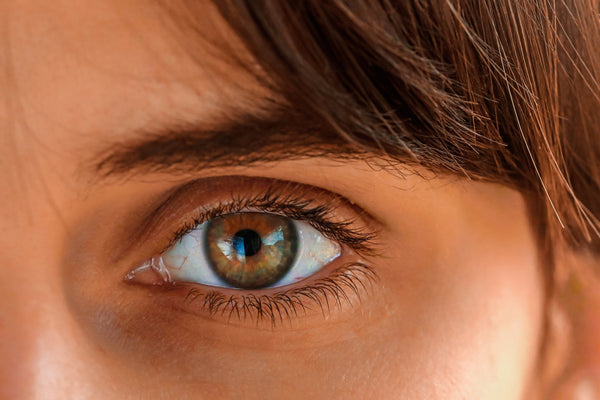
Heatwaves are becoming more frequent, lasting longer and reaching higher temperatures across the UK. While much of the advice during a heatwave focuses on preventing sunburn, dehydration and heat exhaustion, it's just as important to think about your eye health.
Extreme heat can affect your eyes in several ways. Higher levels of ultraviolet (UV) radiation, dehydration, hot dry air and increased use of air conditioning can all contribute to dry eyes, irritation and temporary changes to your vision. Repeated exposure to UV rays over many years may also increase the risk of developing certain eye conditions.
Whether you're enjoying the sunshine outdoors or escaping the heat indoors, understanding how a heatwave can affect your eyes can help you keep your vision comfortable and protect your long-term eye health.
How extreme heat affects your eyes
Dry eyes during a heatwave
Dry eyes are one of the most common eye problems during a heatwave.
Why does it happen?
Your eyes are covered by a thin layer of tears called the tear film, which keeps them comfortable, clear and protected. During periods of extreme heat, tears evaporate more quickly, while increased fluid loss through sweating can reduce tear production. Air conditioning, fans and hot, dry air can make this even worse.
Symptoms to look out for
You may experience:
If you already have dry eye disease, a heatwave can make your symptoms significantly worse.
Sunburned eyes (photokeratitis)
Most people know that skin can become sunburnt, but your eyes can too.
Why does it happen?
Photokeratitis occurs when your eyes are exposed to too much UV radiation. This overexposure damages the surface of the eye, particularly the cornea and conjunctiva, in a similar way that UV rays can burn your skin. While it is most commonly linked to bright sunlight, it can also result from artificial UV sources such as tanning beds or welding equipment.
You may also hear it referred to as snow blindness, which describes the same condition caused by UV light reflecting off snow.
Symptoms to look out for
The condition usually heals within a few days, but it highlights why wearing UV400 sunglasses is so important during a heatwave.
Eye allergies and irritation

Heatwaves often bring higher pollen levels, increased air pollution and dry, dusty conditions, all of which can irritate the eyes.
If you already suffer from hay fever or seasonal allergies, you may find your symptoms become more noticeable during periods of extreme heat.
Symptoms to look out for
Try to avoid rubbing your eyes, as this can make irritation worse and may damage the delicate surface of the eye. Wearing sunglasses outdoors can also help reduce exposure to pollen and other airborne irritants.
Can heatwaves damage your eyes in the long term?
A single heatwave is unlikely to cause permanent damage to your eyes. However, repeated exposure to UV rays over many years can gradually increase the risk of developing certain eye conditions.
Wearing sunglasses with UV400 protection, staying in the shade where possible and avoiding prolonged exposure during the hottest part of the day can all help reduce your long-term risk.
Cataracts
A cataract develops when the eye's natural lens becomes cloudy, causing blurred or hazy vision. Although ageing is the most common cause, long-term exposure to UV rays is recognised as one of the factors that can contribute to cataract development.
Over time, cataracts can make everyday activities such as reading, driving or recognising faces more difficult, particularly in bright sunlight.
If you'd like to learn more, read our guide to cataracts, including symptoms, causes and available treatment options.
Pinguecula and pterygium (surfer's eye)
Long-term exposure to sunlight, wind and dust can cause changes to the surface of the eye.
A pinguecula is a yellowish, slightly raised patch that develops on the white of the eye. Although it is usually harmless, it can sometimes become inflamed, causing redness, irritation and a feeling that something is in your eye.
A pterygium, often called surfer's eye, is a wedge-shaped growth that can gradually extend onto the cornea. In some cases, it may affect vision or require surgical treatment if it continues to grow.
Skin cancer around the eyes
Sunglasses don't just protect your eyesight they also help protect the delicate skin around your eyes.
The skin on your eyelids and around your eyes is among the thinnest anywhere on the body, making it particularly vulnerable to UV damage. Over many years, repeated exposure can contribute to premature skin ageing and increase the risk of developing certain types of skin cancer in this sensitive area.
Choosing well-fitting UV400 sunglasses with good coverage, alongside a wide-brimmed hat when UV levels are high, helps protect both your eyes and the surrounding skin.
Age-related Macular Degeneration (AMD)
Age-related macular degeneration (AMD) is a condition that affects the macula, the central part of the retina responsible for sharp, detailed vision. It is one of the leading causes of vision loss in older adults.
AMD develops gradually over time and is most commonly linked to ageing. However, long-term exposure to UV rays is recognised as one of several risk factors that may contribute to its development.
Repeated exposure to bright sunlight without adequate eye protection may increase cumulative damage to the retina, which can play a role in the development of AMD later in life.
If you'd like to learn more, read our guide to AMD, including symptoms, causes and available treatment options.
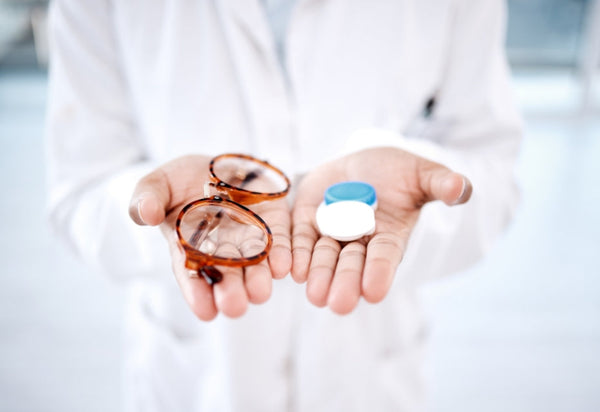
Wearing contact lenses during a heatwave
If you wear contact lenses, you may find they become less comfortable during a heatwave.
Moving between hot outdoor temperatures and air-conditioned environments causes tears to evaporate more quickly. As a result, your contact lenses may feel dry, move less smoothly across the surface of your eye or become more noticeable throughout the day. In some cases, this can lead to temporary blurred vision or make your eyes feel tired and irritated.
How to keep your eyes comfortable
-
Stay well hydrated to help maintain healthy tear production.
-
Use lubricating eye drops recommended by your optometrist if your eyes begin to feel dry.
-
Give your eyes a break by switching to glasses for part of the day, particularly if you're spending long periods in air-conditioned environments.
-
Remove your contact lenses if your eyes become painful, very red or your vision doesn't improve after blinking.
Don't rely on UV-blocking contact lenses alone
Some contact lenses include built-in UV filters, but they only protect the part of the eye covered by the lens. They don't protect the white of the eye, your eyelids or the delicate skin around your eyes.
For complete protection during a heatwave, always wear sunglasses that provide 100% UVA and UVB protection when you're outdoors.
How to protect your eyes during a heatwave
Protecting your eyes during a heatwave doesn't have to be complicated. A few simple habits can help reduce irritation, keep your eyes comfortable and protect your long-term eye health.
1. Wear sunglasses with proper UV protection
The best way to protect your eyes from harmful UV rays is to wear sunglasses that provide 100% UVA and UVB protection, often labelled UV400 or carrying the CE mark.
Remember, dark lenses alone don't protect your eyes. Without proper UV protection, dark lenses can actually allow your pupils to dilate, potentially increasing the amount of harmful UV reaching your eyes.
If you'd like to know more, read our guide explaining why your eyes need UV protection.
2. Stay hydrated
During a heatwave, your body loses more fluid through sweating, which can affect tear production and make dry eyes worse.
Drink water regularly throughout the day, especially if you're spending time outdoors or in air-conditioned environments where moisture is lost more quickly.
3. Use lubricating eye drops
If your eyes feel dry, gritty or irritated, lubricating eye drops (sometimes called artificial tears) can help restore moisture and improve comfort. Non-preserved formulations are often preferable, as preservatives themselves can contribute to ocular irritation.
They can be particularly helpful if you're using screens for long periods or moving between hot outdoor temperatures and air-conditioned indoor spaces.
4. Replace worn or damaged sunglasses
Sunglasses don't last forever. Scratched or heavily worn lenses can reduce visual clarity and may not provide the level of UV protection or comfort you need in bright conditions.
If your sunglasses are damaged, or your prescription has changed, replacing them will help keep your vision clear while ensuring your eyes remain properly protected from UV rays.
5. Limit your exposure during the hottest part of the day
When possible, avoid spending long periods outdoors during the hottest part of the day, typically between late morning and mid-afternoon when temperatures and UV levels are at their highest.
If you are outside, take regular breaks in the shade to give your eyes a chance to recover from bright sunlight and intense heat. Indoors, remember that air conditioning can dry out your eyes over time. Taking occasional breaks from air-conditioned environments or using a humidifier may help reduce dryness and irritation, especially if you also suffer from hay fever or seasonal allergies.
When should you seek professional advice?
Most heatwave-related eye symptoms, such as mild dryness or irritation, improve once your eyes are properly hydrated and protected from the heat. However, if your symptoms persist or you're concerned about your vision, it's important to seek professional advice.
Book an eye examination if you notice:
- Dry eyes that don't improve after the heatwave
- Persistent redness, irritation or discomfort
- Blurred vision that doesn't clear
- Increasing sensitivity to light
- Any ongoing changes to your vision
An eye examination can help identify whether your symptoms are simply related to the heat or if an underlying eye condition requires treatment.
Seek urgent medical attention if you experience:
- Sudden loss of vision
- Severe eye pain
- A painful red eye with significant light sensitivity
- Symptoms following an eye injury or chemical exposure
Prompt treatment can help prevent complications and protect your long-term vision.
Protect your eyes during the next heatwave
Heatwaves are becoming an increasingly familiar part of British summers, making it more important than ever to include your eyes in your sun protection routine.
Simple steps such as:
- staying well hydrated
- wearing UV400 sunglasses
- using lubricating eye drops if your eyes feel dry
- limiting prolonged exposure to intense heat and UV rays
can help keep your eyes comfortable today while protecting your long-term eye health.
If you're experiencing ongoing dry eyes, changes to your vision or persistent eye discomfort after a heatwave, don't ignore the symptoms. Booking a comprehensive eye examination can help identify the cause, provide the right treatment and ensure your eyes stay healthy whatever the weather.
Your skin isn't the only part of your body that needs protecting during a heatwave, your eyes deserve the same care.
 Sign in
 Basket