Eye care

What the Government’s road safety proposals could mean for your eyesight
In January 2026, the UK Government published proposals as part of its Road Safety Strategy, including a consultation on whether drivers aged 70+ should have mandatory eyesight checks. Nothing has changed yet. This is a consultation, which means the Government is asking for views before deciding what happens next. Still, it is a useful reminder that good vision is a key part of safer driving, for you and everyone around you. If you want reassurance about your eyesight for driving, we can help. Book an eye test What’s being proposed for drivers aged 70+? The Government is consulting on the idea of introducing regular eyesight testing for drivers aged 70 and over as part of licence renewal. The aim is to reduce risk linked to age-related changes such as: gradual changes in sharpness of vision reduced contrast sensitivity (seeing clearly in low light) greater sensitivity to glare slower reaction times and other health factors that can affect driving Key point: These are proposals, not new rules. No extra testing has been introduced at this stage. Driving eyesight standards: what applies right now? Current legal eyesight standards still apply to all drivers, whatever your age. The Road Safety Strategy proposals also reinforce increased use of roadside eyesight checks by police. If a driver fails a roadside eyesight test, the DVLA may take action, including removing a licence. If you are unsure whether you meet the standard, an eye examination is the simplest way to check and get clear advice. Check my vision for driving Struggling with glare at night? You’re not alone The proposals also highlight research showing many drivers have reduced or stopped night driving due to headlamp glare, with brighter LED headlights and taller vehicles thought to contribute. If night driving feels harder than it used to, it could be down to: a change in your prescription early lens changes in the eye dry eye glare sensitivity or reduced contrast An eye test can help identify what is going on, and we can talk through practical options such as lens choices and coatings designed to improve comfort when driving at night. Why regular eye tests matter more as we get older Vision changes can be subtle, and many people adapt without realising their eyesight has dropped below what is comfortable or safe for driving. A routine eye test helps you: stay confident behind the wheel spot changes early keep your prescription up to date get tailored advice if you drive at night or in poor weather If you’re 70+, we recommend keeping your eye tests regular, even if your vision feels “fine”. How Leightons can help At Leightons, our focus is simple: helping you see clearly and stay confident in everyday life, including on the road. With an eye test, you will get: a professional check of your vision and eye health clear, practical advice about your vision for driving support if you have concerns about glare, night driving, or changing eyesight
Person standing in a yellow flower field, using a tissue, possibly experiencing allergies or sneezing.
How hay fever can affect your eyes
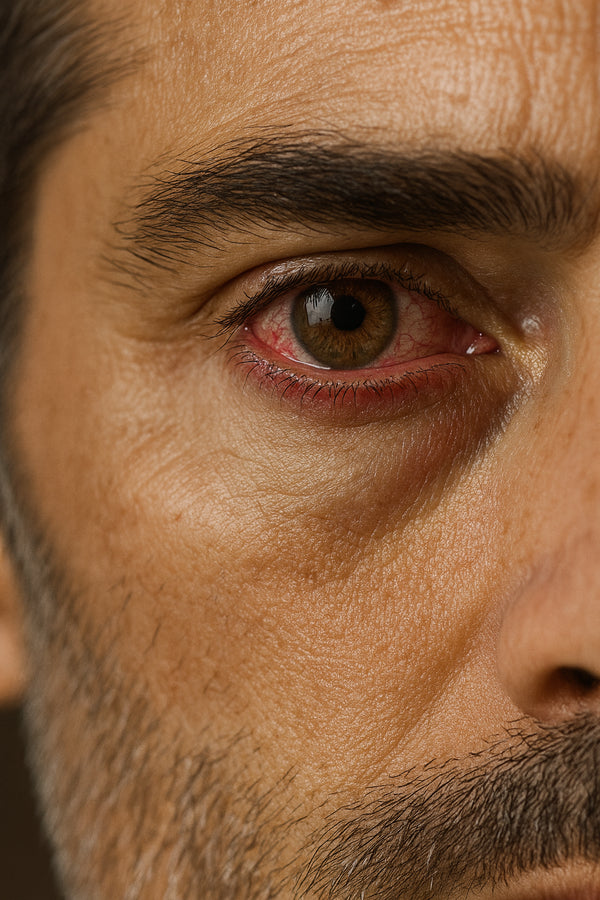
Hay fever affects 1 in 5 people in the UK. But coughing and sneezing aside, how does hay fever impact your eyesight? Often at its peak between March and September, hay fever is an allergy to pollen. Light and fluffy, pollen grains travel well on the air, particularly on warm, humid days – which can leave the summer months feeling less than sunny for some. Common hay fever symptoms include sneezing, coughing, itchy eyes, headaches and feeling tired. Speak to a GP, pharmacist or optometrist if you are prone to hay fever, as they’ll be able to discuss appropriate remedies such as tablets, syrups, nasal sprays and eye drops. Peak time for pollen Hay fever sufferers need to be most vigilant during these times of the year: From late March to the middle of May – tree pollen is at its peak Middle of May to July – grass pollen is at its peak End of June to September – weed pollen is at its peak As 95% of hay fever sufferers are allergic to grass pollen, mid-May to July is the ‘peak time’ for hay fever. One top tip: cut down on drinking alcohol during hay fever season. It contains histamine, a chemical that promotes allergic reactions. The UK pollen forecast is also useful. Eyes down The classic sore eyes associated with hay fever is called allergic conjunctivitis. It’s an umbrella term for issues with the thin clear membrane covering the whites of the eyes and the insides of the eyelids, often triggered by allergies – including pollen. Although it’s unpleasant, it’s very unlikely to affect your eyesight in the long term. However, in the short term. You might experience a constant itching sensation and feel the need to rub your eyes. This is not only due to pollen landing in the eye, but the release of histamine which irritates the nerve endings. The typical red colouring of the eye is the result of blood vessels dilating or swelling to fight off the irritant. There are a number of remedies you could try to ease the symptoms. Many people find eyes become less irritated by using over-the-counter antihistamines or consider wearing wrap-around sunglasses to protect your eyes from pollen in the air. It’s all a blur The most notable change in vision will come from watery eyes. The tear ducts produce excess fluid to flush out the pollen, which temporarily causes your vision to blur. You might find your sight deteriorates as the tears thicken into a sticky substance, but this will be short lived. Try using a cold compress to ease irritation or consult your GP, pharmacist or optometrist who’ll be able to recommend appropriate eye drops to ease your symptoms. Book your eye test today If you’re feeling the hay fever this year, our Leightons optical staff are happy to give you the advice you need to get relief. Get in touch today on 0800 40 20 20, or book an eye appointment online.

Eye conditions

Visual stress
Visual stress
If you find reading uncomfortable, notice words moving on the page, or feel strain when looking at patterns or screens, you may be experiencing visual stress. Visual stress is a common but often overlooked condition that can affect how comfortable your vision feels, particularly when reading or focusing for longer periods. With the right support, it can often be managed effectively, helping you feel more relaxed and confident in your day-to-day vision. If your symptoms are linked to light or contrast, you may also find it helpful to explore how tinted lenses can improve visual comfort and clarity.   What is visual stress? Visual stress, sometimes referred to as Meares-Irlen syndrome, affects how the brain processes visual information. It is not a problem with your eyesight itself, but rather how your eyes and brain work together when looking at text, patterns or bright environments. People with visual stress often find that certain visual tasks feel overwhelming or uncomfortable, even if their vision has been tested and appears normal.   Common symptoms of visual stress Visual stress can present in different ways, and symptoms may vary from person to person. You may notice: Words appearing to move, blur or distort on the page Difficulty tracking lines of text when reading Sensitivity to bright light or glare Headaches or eye strain when reading or using screens Letters or patterns appearing to flicker or shimmer Reduced concentration when reading for longer periods These symptoms can make everyday tasks feel more tiring, particularly in environments with bright lighting or high contrast.   What causes visual stress? The exact cause of visual stress is not always clear, but it is linked to how the brain processes visual patterns and contrast. High contrast patterns, such as black text on a white page, can sometimes feel overwhelming for the visual system. This can lead to discomfort, distortion or fatigue when reading or focusing for extended periods. Visual stress is often noticed in both children and adults, particularly when reading feels difficult or tiring. It is sometimes associated with conditions such as dyslexia, although the two are not the same.   Visual stress vs light sensitivity: what’s the difference? Visual stress and light sensitivity can feel similar, but they are not the same. Light sensitivity (photophobia) is typically linked to brightness and discomfort from light itself Visual stress is more closely related to patterns, contrast and how visual information is processed Some people experience both, which is why a thorough assessment is important to understand what is affecting your vision.   Can tinted lenses help with visual stress? For many people, tinted lenses can make a noticeable difference to visual comfort. Carefully selected colours can help reduce the intensity of contrast and visual patterns, allowing your eyes to feel more relaxed when reading or using screens. This can make text appear more stable and easier to follow. The effect of colour is highly individual, which is why it is important to find the right tint for you rather than choosing a general option. Colour selection is typically guided through a visual stress assessment*. During an appointment, you may be shown a range of coloured overlays or lenses and asked to read or focus on text, helping you experience which tones feel most comfortable. Explore the different colours and types of tinted lenses to understand how each option works.   What is a visual stress test? At Leightons, there are two main types of visual stress assessment, designed to understand how your eyes respond to colour and contrast. Coloured overlay assessment: Different coloured overlays are placed over text to identify which makes reading feel more comfortable. Any improvement is measured using a standardised reading test. If effective, you may get specialised, custom-tinted lenses to use for reading and school/work. Colorimetry: A more advanced assessment using a specialist device to identify the precise tint or colour combination needed to reduce visual stress. This allows for the prescription of precision-tinted lenses tailored to your individual visual response. Before considering a visual stress assessment, it is important to have a comprehensive eye examination. This allows us to check your overall eye health and ensure your symptoms are not being caused by something else, such as: A prescription change Eye strain Another underlying eye condition If appropriate, we can then guide you through a visual stress assessment to explore whether coloured lenses may help improve your comfort and clarity.   Managing visual stress in everyday life There are several ways to help reduce the impact of visual stress in your daily routine: Use softer, more consistent lighting Reduce glare from screens Take regular breaks when reading or working Adjust screen settings or use coloured backgrounds For many people, the most effective support comes from personalised solutions such as coloured overlays or tinted lenses tailored to your visual needs. If your symptoms are linked to screen use, it may also help to compare blue light vs tinted lenses to understand which option is most suitable.   When should you seek advice? If reading feels uncomfortable, or if symptoms are affecting your concentration or confidence, it is worth having your eyes assessed. The best place to start is with a full eye examination. This allows us to understand your vision in detail and rule out any underlying causes. From there, we can guide you towards the most appropriate support, including whether tinted lenses or a colourimetry assessment may be beneficial. Book your eye test today.   * Please note that not all Leightons practices offer coloured overlay assessments or colourimetry. Please contact your local branch to confirm availability.

Hearing care

Group of adults socializing and enjoying drinks together at an outdoor evening gathering with string lights and food on the table.
How do hearing amplifiers work?
Hearing amplification devices increase the volume and might make it easier for you to hear sounds louder. Yet they not a prescribed product and do not match your individual needs. Hearing loss is extremely common – millions of people in the UK live with a hearing loss, so you’re not alone. At Leightons Opticians & Hearing Care, our expert audiologists will help you identify the best device for you, in most cases this is a Hearing Aid. What is a hearing amplifier? Much like a tiny PA system, hearing amplification devices use microphones to capture and amplify all sounds around you, before delivering it to your ear at an adequate and audible volume level. What kind of devices are available? There are plenty of hearing amplifiers designed to help you while on the telephone, watching TV, and for in-person conversations. However, these devices amplify all sounds equally and aren’t designed to support hearing loss. For an all‑round solution that adapts to your personal hearing needs, a hearing aid is often the most effective option. Our expert audiologists can assess your hearing and guide you towards the most suitable hearing aid for your lifestyle and needs. What’s the difference between a hearing aid and a hearing amplifier? All hearing aids use amplification, however, hearing aids are regulated medical devices carefully programmed and tailored to fit the hearing loss of a particular individual. This makes them more suitable for moderate to severe hearing loss. Hearing amplifiers are not medical devices and are not designed to diagnose, treat or manage hearing loss. They don’t adapt to your individual needs, meaning they offer volume without improving clarity or understanding. What are induction loops? An induction loop is an older technology system designed to help hearing aid users to hear more clearly in some specific environments. You’ll often find them in places like meeting rooms, theatres, banks, and cinemas.  Here’s how it works:  A thin cable is installed around a room or designated listening area  The system creates a magnetic field that carries speech or important sound  When you switch your hearing aid or ALDs to the T (telecoil) setting, you can hear the sound closer to you and more clear with less background noise  Induction loops can make a huge difference to day‑to‑day listening comfort. Our audiologists can help you understand how loops - and other assistive listening devices - can work with Hearing Aids.  What is Auracast? Auracast is a new Bluetooth audio technology designed to make listening more inclusive. It allows one device to broadcast high-quality sound to multiple compatible hearing aids, earbuds, or headphones at the same time, without the need for pairing. Developed with the hearing aid industry for assistive listening, Auracast could mean easier access to shared audio in public spaces such as train stations and lecture theatres. For people with hearing loss, it’s a positive step towards clearer sound and greater confidence in everyday situations. Leightons free hearing test Leightons Opticians & Hearing Care offers a free hearing test in all branches. We provide a comprehensive hearing check carried out by our experts – professionally trained hearing aid audiologists registered with the HCPC (Health & Care Professions Council), with some even members of the British Society of Hearing Aid Audiologists. Book your free hearing test now You can book an appointment online or you can call us on 0800 40 20 20 to arrange a free hearing test at your nearest Leightons branch. Alternatively, you can take the test at home. This involves the same experienced, professional audiologist you would see in branch coming to your home to carry out your hearing test with specialist portable equipment.
Digital illustration of a brain made of glowing blue circuit lines and nodes, symbolizing artificial intelligence and neural networks.
Hearing Aids Help Your Brain
How can hearing aids help your brain? Whilst it is true that living with hearing loss can be a challenge, with appropriate equipment and support from your family and friends, you can lead a full and happy life. In fact, wearing hearing aids has been shown to significantly improve the quality of life for hearing-impaired individuals. Hearing loss and dementia A 2011 study by John Hopkins and the National Institute on Aging suggested that elderly people who suffer from hearing loss are also more likely to suffer from dementia over time.[1] Undiagnosed and untreated hearing loss can lead to feelings of isolation and frustration; sometimes it can even lead to depression. People with hearing loss have an accelerated rate of brain tissue loss, which contributes to the chances of dementia. The risk of dementia was found to increase in line with the severity of the hearing loss i.e. for every 10 decibels of hearing lost, the risk of dementia increased by 20 percent. The study found that for individuals over the age of 60, more than one third of those with dementia also had a hearing loss. Even after researchers eliminated other common factors for dementia such as age, sex, race, high blood pressure and diabetes, the connection with hearing loss remained. Therefore, identifying a hearing loss as early as possible can contribute significantly to slowing the potential onset of dementia. What options are there? Hearing aids can not only assist your cognitive abilities but your overall life as well. Today’s digital hearing aids are a far cry from the bulky and sometimes unsightly analogue hearing aids of the past. They are smaller, more efficient and aesthetically more appealing. Most hearing aids can also be customised and tailored to an individual’s ear shape for improved comfort. Hearing aids come in various styles and are specific to the severity of hearing loss. Some of the most popular styles include: In-the-ear (ITE) hearing aids have twin microphones & offer great sound clarity. These are useful for people with moderate to severe hearing loss. Open ear or receiver-in-the-ear (RTE) hearing aids are discreet and generally more popular. They provide natural sound clarity and are beneficial for those with moderate hearing loss. Completely in the canal (CIC) hearing aids are very tiny. They don’t have manual controls and are less powerful than the above. These hearing aids are most helpful to people with mild hearing loss. What to do next Before you decide which hearing aids to buy, you should have your hearing tested. At Leightons Opticians and Hearing Care, we offer a free full hearing assessment which will take no more than 60-90 minutes. We will carry out a thorough lifestyle consultation and an in-depth hearing health check using advanced audiometric procedures and state-of-the-art equipment, to build the best picture of your hearing as well as your lifestyle requirements. Based on the hearing test result, your audiologist will help you find the best solution for you from our wide range of digital hearing aids, should you require them. Our free hearing aid demonstration will also give you an idea about how your hearing can improve with the new hearing aids. You are also assured of a tailored lifetime aftercare with follow-up appointments and support, at no additional cost. It is extremely important to remember that, unlike with new glasses, you will not get an instant finished result as soon as you put on new hearing aids. Your audiologist will need to continue to help you fine-tune your hearing aids over a period of time as you slowly get used to them, to make sure you get the best from them. You can book a full hearing assessment online, or call our Dedicated Patient Support team on 0800 40 20 20. [1] Lin FR et al (2011). Hearing Loss and Incident Dementia. Arch Neurol. 68(2):214-220.

Hearing conditions

Understanding mastoiditis: causes, symptoms & treatment
Mastoiditis is a rare but serious ear infection that affects the mastoid bone, which sits just behind the ear. It usually develops when a middle ear infection (otitis media) spreads to the mastoid bone, causing inflammation and fluid build-up. Although it sounds alarming, mastoiditis can be successfully treated with prompt medical care. At Leightons, we understand that ear pain and swelling can be worrying. Our audiologists are here to check your ear health, explain what’s happening, and help guide you to the right care if an infection is suspected. What is mastoiditis? The mastoid bone is part of your skull and contains small air-filled spaces that help drain the middle ear. When bacteria from an untreated or severe ear infection spread to this bone, it can become inflamed and filled with infected fluid. This condition is known as mastoiditis. If not treated quickly, the infection can cause pain, swelling, and in some cases, damage to nearby structures - which is why early diagnosis and medical treatment are essential. What causes mastoiditis? Mastoiditis most often develops as a complication of a middle ear infection that hasn’t fully cleared. When bacteria remain trapped in the middle ear, they can spread into the mastoid bone, causing inflammation and infection. Common causes and contributing factors include: Untreated or chronic ear infections Bacterial infection spreading from the middle ear Recurrent infections weakening ear tissues Poor ear drainage due to Eustachian Tube Dysfunction Mastoiditis can occur at any age but is more common in children, as their ear structures are still developing. Common symptoms of mastoiditis Mastoiditis symptoms can appear suddenly and may follow an ear infection that hasn’t fully resolved. Common signs include: Severe, persistent ear pain Swelling or redness behind the ear Ear discharge (sometimes thick or pus-like) Fever and feeling unwell Hearing loss in the affected ear Headache or dizziness In some cases, the ear may appear pushed forward due to swelling behind it. Because mastoiditis can worsen quickly, it’s important to seek medical attention if you notice these symptoms. How is mastoiditis diagnosed? A GP or ENT specialist can diagnose mastoiditis by examining the ear and checking for inflammation, swelling, or discharge. Tests may include: Otoscopy: Looking inside the ear to assess infection Hearing test (audiogram): Checking if hearing has been affected CT scan: To confirm if the infection has spread to the mastoid bone Blood tests: To detect signs of infection Early diagnosis allows for quicker treatment and prevents complications. Treatment for mastoiditis Treatment aims to remove the infection, relieve symptoms, and prevent further spread. Depending on the severity, this may involve: Antibiotics: Usually given intravenously (via a drip) to control the infection Ear drainage: A small procedure to remove infected fluid or pus Surgery (mastoidectomy): In more serious cases, part of the infected bone may be removed to stop the infection from spreading With prompt treatment, most people recover fully and experience no long-term hearing damage. Preventing mastoiditis The best way to prevent mastoiditis is by treating ear infections early and avoiding irritation to the ear canal. Simple steps include: Seek medical advice for any ear infection that lasts more than a few days Avoid inserting objects like cotton buds into your ears Keep ears dry and clean, especially after swimming Attend regular ear health checks to monitor your ear condition if you’re prone to infections By managing ear health proactively, you can reduce the risk of complications like mastoiditis. How Leightons can help At Leightons, we provide ear health checks and free hearing assessments to help identify infections early and support your recovery after treatment. Our audiologists can: Examine your ears safely for signs of infection or inflammation Carry out hearing tests to check for any hearing changes Refer you to an ENT specialist for medical treatment if necessary Offer aftercare and follow-up checks to monitor your ear health after recovery We’re here to help you understand your symptoms, protect your hearing, and feel confident in your ear health. Book your free hearing assessment today and take the first step toward clearer, healthier hearing.
Understanding otosclerosis: causes, symptoms & treatment
Otosclerosis is a condition that affects the tiny bones in the middle ear, leading to gradual hearing loss. It happens when abnormal bone growth develops around the stapes - one of the three small bones that help transmit sound from the outer ear to the inner ear. As the bone becomes fixed in place, sound vibrations can no longer move freely, making it harder to hear. Although otosclerosis cannot be prevented, it can be effectively managed with the right treatment and professional hearing care. At Leightons, our audiologists can help detect the signs of otosclerosis, monitor your hearing, and guide you to the right medical support if needed. What is otosclerosis? In a healthy ear, the stapes vibrates with sound waves, passing these vibrations to the cochlea, where they’re converted into signals for the brain. When otosclerosis develops, abnormal bone growth around the ossicles causes it to stiffen and lose mobility. This limits sound transmission and gradually reduces hearing sensitivity. The condition usually begins in one ear but can affect both over time. Otosclerosis is more common in adults between the ages of 20 and 45 and slightly more prevalent in women What causes otosclerosis? The exact cause of otosclerosis isn’t fully understood, but several factors can increase the risk: Genetics - The condition often runs in families. Viral infections - Such as measles, which can affect bone development in the ear. Hormonal changes - Pregnancy or hormonal fluctuations may accelerate progression. Autoimmune conditions - The body’s immune system may contribute to inner ear inflammation. Otosclerosis is not caused by lifestyle factors or noise exposure, but understanding the risk factors can help with early detection and treatment. Common symptoms of otosclerosis Otosclerosis usually develops slowly, so symptoms may go unnoticed at first. Common signs include: Gradual hearing loss, often starting in one ear Difficulty hearing low-pitched sounds or whispers Tinnitus (ringing, buzzing, or roaring sounds in the ear) Better hearing in noisy environments Occasional balance problems or dizziness Because symptoms develop gradually, regular hearing tests are essential for early detection. How is otosclerosis diagnosed? If you’re noticing hearing changes, an audiologist can perform a free hearing assessment to measure how well sound travels through your ears. If conductive hearing loss is detected, you may be referred to an ENT specialist for further testing, which might include: Audiogram - to measure hearing thresholds. Tympanometry - to check middle ear function. CT scan - in some cases, to view the bone structure of the middle ear. A confirmed diagnosis allows for tailored treatment options and ongoing hearing management. Treatment and management of otosclerosis There are several effective treatments for otosclerosis, depending on its severity and how much it affects your hearing: Hearing aids: Amplify sound to overcome the conductive hearing loss. Many people find these extremely effective. Stapedectomy or stapedotomy surgery: A delicate operation performed by an ENT specialist to replace or modify the stapes bone, to restore a better sound transmission which can help with hearing loss. Regular hearing checks: To monitor changes and adjust hearing aids if necessary. Protecting your hearing: Avoiding loud noise exposure and maintaining general ear health. With appropriate care, most people with otosclerosis maintain excellent hearing function. Living with otosclerosis Otosclerosis can impact daily life, but early diagnosis and the right treatment make a significant difference. Many people successfully manage their hearing with hearing aids or surgical treatment. Emotional support and hearing care guidance can also help reduce the frustration or isolation sometimes linked to hearing loss. If you’ve noticed gradual hearing changes, don’t ignore them. A professional assessment can help identify whether otosclerosis - or another treatable condition - is the cause. How Leightons can help At Leightons, our friendly audiologists provide comprehensive free hearing tests and ear health checks to identify signs of otosclerosis or other hearing conditions. We can: Test your hearing to determine if otosclerosis may be affecting you. Fit and fine-tune hearing aids to support clear, comfortable hearing. Refer you to an ENT specialist for diagnosis or surgical consultation if needed. Offer ongoing support and aftercare to help you manage your hearing long-term. We’re here to help you understand your hearing, regain confidence, and enjoy life with clear sound once again. Book your free hearing assessment today and take the first step toward better hearing health.

Hearing symptoms

Vertigo: causes, symptoms and how to find relief
Feeling dizzy or as though the room is spinning can be unsettling. This sensation, known as vertigo, often comes from a problem in the inner ear, which helps control balance. While vertigo can feel alarming, it’s usually treatable and often linked to conditions that are temporary or easily managed. At Leightons, our audiologists are here to help you understand what’s behind your dizziness and guide you toward the right care, offering safe and professional support for your ear and balance health. What Is vertigo? Vertigo isn’t a condition itself, but a symptom - a feeling that you or your surroundings are moving when they’re not. It’s usually caused by an issue in the vestibular system, the part of your inner ear responsible for balance. Some people describe vertigo as feeling like spinning, swaying, or tilting. It can last a few seconds or persist for longer periods, depending on the cause. What causes vertigo? Vertigo can occur for several reasons, many of which are related to the inner ear. Common causes include: Benign paroxysmal positional vertigo (BPPV): The most common cause of vertigo, where small crystals in the inner ear move out of place and trigger dizziness during head movements. Inner ear infections: Conditions such as labyrinthitis or vestibular neuritis cause inflammation that affects balance and hearing. Meniere’s disease: A long-term condition involving fluid build-up in the inner ear, leading to vertigo, tinnitus, and hearing changes. Ear wax blockage: In some cases, a build-up of wax can affect pressure or balance, leading to dizziness. Migraine-associated vertigo: Some migraines cause dizziness, even without a headache. Circulatory or blood pressure changes: Less commonly, vertigo may stem from reduced blood flow to the inner ear or brain. Common symptoms of vertigo Vertigo can vary in intensity and duration. You may experience: A spinning or swaying sensation Loss of balance or unsteadiness Nausea or feeling light-headed Ringing or pressure in the ears (tinnitus) Hearing loss or muffled sounds Headache or visual disturbance If vertigo is sudden, persistent, or severe, it’s important to have it checked by a professional. When to seek professional advice Occasional dizziness after standing up too quickly or turning your head isn’t unusual. However, you should seek advice if: Vertigo happens frequently or lasts longer than a few minutes You experience hearing changes or ringing in your ears You have nausea, vomiting, or difficulty walking Vertigo occurs alongside ear pain or infection symptoms While vertigo itself isn’t usually dangerous, the underlying cause may require treatment. A hearing and balance assessment can help identify the issue and offer reassurance. Diagnosis and treatment Your treatment will depend on what’s causing your vertigo. Common approaches include: Canalith repositioning manoeuvres: Simple head movements (such as the Epley manoeuvre) to correct BPPV. Medication: To ease inflammation, nausea, or dizziness caused by infection. Vestibular rehabilitation: Special exercises that retrain your balance system. Ear wax removal: If a blockage is affecting balance. ENT referral: For more complex or persistent cases. Leightons can help identify whether your vertigo is related to your hearing or ear health and guide you to the right treatment or specialist care if needed. How Leightons can help At Leightons, we take a comprehensive approach to ear and balance health. Our expert audiologists can: Carry out a detailed free hearing assessment to check for changes linked to vertigo Examine your ears for wax, infection, or fluid build-up Provide safe microsuction if wax is causing dizziness Advise on next steps or referral if vestibular issues are suspected We’ll always take the time to listen, explain, and provide the reassurance you need - helping you feel steady and confident again. Living with or preventing vertigo While not all vertigo can be prevented, these steps can help reduce symptoms or avoid flare-ups: Move slowly when changing position Stay hydrated and eat regularly Avoid sudden head movements when possible Manage allergies or sinus issues promptly Keep ears clear and healthy with regular ear checks If you experience vertigo linked to specific movements, a professional can recommend simple exercises to help retrain your balance system. Book a free hearing assessment If you’re experiencing vertigo, dizziness, or balance problems, we can help. Our expert audiologists will carry out a safe, professional free hearing assessment to identify any underlying issues and guide you to the right care.
Ear popping: what it means and how to stop it
Most people experience their ears popping from time to time, especially during flights, driving in the mountains, or when they have a cold. It’s a normal reaction to changes in air pressure - but if the sensation happens often, lasts for days, or comes with discomfort, it could point to an underlying issue that needs attention. At Leightons, our hearing care specialists can help identify the cause of persistent ear popping and provide safe, effective solutions for lasting relief. What is ear popping? Ear popping describes the clicking, crackling, or popping sounds you sometimes hear inside your ear. This happens when the Eustachian tubes - tiny passages that connect the middle ear to the back of your throat - open and close to balance air pressure. When the tubes work as they should, pressure equalises naturally and your ears feel clear. But if they become blocked or inflamed, you might experience popping, pressure, or muffled hearing. Why do ears pop? The middle ear needs to maintain equal pressure on both sides of your eardrum. The Eustachian tubes handle that job, opening whenever you swallow, yawn, or chew. When pressure builds up - for example, during altitude changes - you may feel a “pop” as the tubes open to release trapped air. Persistent popping, however, could signal a problem with how these tubes are functioning. Common causes of ear popping Ear popping can be triggered by several everyday situations and ear conditions: Altitude or pressure changes: Common during flying, scuba diving, or driving in the mountains. Colds and sinus infections: Congestion can block the Eustachian tubes, trapping air in the middle ear. Ear wax build-up: Excess wax can affect how pressure equalises, leading to a blocked or popping sensation. Allergies: Inflammation from allergies may cause the tubes to swell. Eustachian tube dysfunction: The tubes fail to open properly, causing pressure imbalance. Fluid in the ear: Known as glue ear, this can cause popping and muffled hearing. When ear popping becomes a problem Occasional popping is normal and usually nothing to worry about. But if it’s frequent, painful, or accompanied by other symptoms, it’s a good idea to get your ears checked. You should seek professional advice if you experience: Ongoing or painful ear popping A feeling of fullness or blockage Muffled hearing or changes in sound Dizziness or ringing in the ears Ear pain or fluid discharge Leightons’ audiologists can identify the cause through a safe, detailed ear examination. How to relieve ear popping If your ears feel blocked or keep popping, try these gentle methods: Swallow or yawn: Helps open the Eustachian tubes and balance pressure. Sip water or chew gum: Encourages tube movement. Use a nasal spray: Reduces swelling in the nasal passages if congestion is the cause. Avoid inserting objects: Don’t use cotton buds, as they can push wax deeper. Apply gentle warmth: A warm compress may ease discomfort. If popping persists for more than a few days, it’s best to have your ears examined professionally. When to see an audiologist or GP If your ears won’t “clear” or popping is constant, there may be an underlying issue such as infection, fluid, or wax blockage. Leightons’ hearing care specialists can: Examine your ears safely using advanced equipment Remove excess ear wax through microsuction Recommend treatment for congestion or infection Carry out a free hearing test to assess any related hearing loss Preventing ear popping A few simple habits can help reduce ear popping: Keep sinuses clear during colds or allergies Avoid flying with a blocked nose Yawn or swallow during take-off and landing Stay hydrated when travelling Schedule regular ear health checks if you’re prone to congestion or wax build-up How Leightons can help Persistent ear popping can often be resolved with the right care. Our audiologists have specialised equipment, and will assess your ear health and hearing to pinpoint the cause - whether it’s wax build-up, pressure imbalance, or infection - and guide you on the safest, most effective treatment options. At Leightons, we focus on long-term ear and hearing health, so you can enjoy clear, comfortable hearing every day.

On trend

Migraine glasses: can tinted lenses help with headaches?
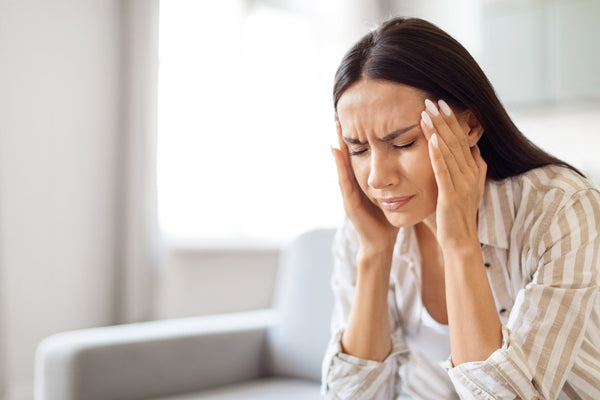
If you experience migraines or frequent headaches, you may have noticed that light can make symptoms feel worse. Bright environments, glare or certain patterns can trigger discomfort and make it harder to focus. Many people searching for migraine glasses in the UK are looking for ways to reduce these visual triggers. While glasses cannot treat migraines themselves, certain lenses, including carefully selected tinted lenses, can help improve visual comfort and reduce the impact of light. If you are exploring your options, it can also help to understand how tinted lenses for everyday comfort and clarity and everyday use.   Why light can trigger migraines and headaches For many people, migraines are closely linked to how the brain processes light. Bright or flickering light, glare from screens, or high-contrast environments can place extra strain on the visual system. This can lead to: Increased light sensitivity (photophobia) Eye strain and visual discomfort Difficulty focusing Headaches triggered or worsened by bright environments Some people may also experience visual stress, where patterns or contrast make text or surroundings feel uncomfortable or unstable.   What are migraine glasses? The term migraine glasses is often used to describe glasses designed to reduce light sensitivity and visual discomfort. In many cases, these involve tinted lenses that help soften brightness and reduce the intensity of certain light wavelengths. One commonly referenced option is FL-41 tinted lenses, which use a rose-based tint designed to filter specific parts of the light spectrum. Some people find this type of tint more comfortable, particularly in environments with artificial lighting or screen use. However, there is no single tint that works for everyone, and results can vary.   Do FL-41 lenses work for migraines? FL-41 lenses are often discussed in relation to migraines, and some people report improved comfort when using them. They are designed to reduce certain wavelengths of light that may be linked to visual discomfort. However, it is important to understand that: They do not prevent or treat migraines Their effectiveness varies between individuals They are one of several tinted options, not the only solution For many people, a personalised approach to tinted lenses can be more effective than choosing a single standard tint.   How tinted lenses can help Tinted lenses work by reducing overall brightness and improving how your eyes respond to light and contrast. For some people, this can help: Reduce visual discomfort in bright environments Soften glare from screens and artificial lighting Make reading or focusing feel easier Create a more relaxed visual experience If your symptoms are linked to light sensitivity or visual stress, you may also benefit from understanding the different types of tinted lenses and colours available, as some tones feel more comfortable than others.   Tinted lenses vs blue light glasses You may also come across blue light glasses when searching for migraine solutions. Blue light lenses are designed to filter a portion of light from digital screens and may help reduce glare for some people. However, there is currently limited evidence to show that they reduce migraines or prevent headaches. By filtering blue light, these lenses can enhance warmer tones, meaning a white background may appear slightly softer or more sepia in tone, similar to the setting often used on e-readers. Tinted lenses tend to offer a broader approach by reducing overall brightness and improving contrast, which may feel more beneficial if your symptoms are linked to light sensitivity rather than screen use alone. Compare blue light lenses vs tinted lenses to understand which is right for your needs.   Finding the right tint for you There is no one-size-fits-all solution when it comes to migraine glasses. The way your eyes respond to light is highly individual. Some people find relief with softer tones such as rose or grey, while others benefit from more specific colours tailored to their visual response. If visual stress is a contributing factor, a personalised assessment such as a colourimetry visual stress test can help identify which tint feels most comfortable for you.   Start with a full eye examination Before choosing tinted lenses or migraine glasses, it is important to understand what is causing your symptoms. A comprehensive eye examination allows us to assess your vision, check for underlying eye conditions, and understand how your eyes respond to light. From there, we can guide you towards the most appropriate options for your needs.   Takeaway Migraines and headaches can affect everyone differently, and the way your eyes respond to light is highly individual. While glasses cannot treat migraines, the right lenses can help reduce visual triggers such as brightness and glare, making everyday environments feel more comfortable. Tinted lenses, including options similar to FL-41, may help some people by softening light and improving visual comfort, particularly where light sensitivity or visual stress is a factor. However, there is no single solution that works for everyone, which is why a personalised approach is so important. At Leightons, we take the time to understand your symptoms, your lifestyle and how your eyes respond to light. Starting with a comprehensive eye examination, we can guide you towards the most appropriate options, whether that involves tailored tinted lenses or further assessment such as colourimetry. Book an appointment Find your nearest branch
Oversized glasses, your guide to finding your style and fit
Oversized glasses have become a fashion staple, offering both style and practicality. From bold statement frames to comfortable, well-balanced prescriptions, oversized glasses allow you to express your personality while ensuring your vision needs are met.  In this guide, we cover everything from face shapes and frame-fit tips to designer options available at Leightons.   Why Are Oversized Glasses Trending?  The oversized glasses trend has evolved over decades, rooted in both fashion history and contemporary runway influence. In the 1970s, large frames became a symbol of self-expression, popularised by film stars, musicians, and cultural icons seeking to stand out. During the 1980s and 1990s, the trend embraced bold colors, geometric shapes, and dramatic designs, cementing oversized glasses as both a fashion and lifestyle statement. Today, oversized eyewear is experiencing a modern resurgence, driven in part by the revival of retro styles. Spring/Summer 2025 runways showcased this trend prominently, with luxury houses such as Chloé, Dolce & Gabbana, and Diesel featuring striking oversized glasses and sunglasses that blended nostalgia with contemporary flair. Whether through color, shape, or texture, large frames now serve as standout fashion statements, while designers continue experimenting with innovative materials and creative silhouettes. This makes oversized eyewear a versatile accessory that bridges classic influences with modern wardrobes. Beyond aesthetics, oversized glasses are valued for their functional benefits. The larger lens area can reduce the need for frequent head movements, improve peripheral vision, and provide better accommodation for complex prescriptions or multifocal lenses.   What Face Shapes Suit Oversized Glasses? Thinking of switching to oversized frames but unsure on size? Oversized frames aren’t a one-size-fits-all, here’s how to match them to your face shape: Round faces: Choose angular oversized frames to add structure. Oval faces: Most oversized styles suit this balanced shape, from square to round frames. Square faces: Soft, rounded oversized glasses help soften jawlines. Heart-shaped faces: Frames wider at the top balance narrower chins. On the other hand, if you have a very narrow face or a heart shape with a slim chin, large or heavy frames can easily overpower your features. In these cases, opt for softly oversized styles with lighter rims and a slightly narrower lens width to maintain balance and proportion. Tip: Oversized glasses should extend slightly beyond the widest part of your face for proportion without overwhelming features.   How big is too big? Finding the perfect fit Even in oversized styles, fit is key to comfort and aesthetics. A few factors to consider:Frame width: Should align with your temple width. Frames too wide may slip, too narrow can pinch. Lens height: Larger lenses are great for style but shouldn’t obstruct eyebrow movement. Bridge fit: Ensures the frame sits comfortably on the nose without sliding. Rule of thumb: If your glasses feel secure without pressure points and your peripheral vision is clear, you’ve likely found the right size.   Practical Prescription Considerations While oversized glasses can be a fashion statement, it’s important that they must support your prescription comfortably. Lens weight: Larger lenses can be heavier, consider lightweight materials like high-index lenses or polycarbonate. Frame balance: Look for adjustable nose pads or acetate frames that distribute weight evenly. Optical performance: Ensure the lens covers the full visual field, and minimise the effects of distortion with individualised lenses Tip: Our opticians at Leightons can assess your prescription needs when choosing oversized frames. You can also book a free style consultation to get personalised advice on selecting frames that perfectly match your style and lifestyle.   Inspiration For Men Oversized glasses can instantly elevate a man’s look, creating a bold and confident style statement. Men can experiment with classic dark frames for a professional, sophisticated vibe, or try tortoiseshell and patterned frames for a more playful, fashion-forward look. Popular oversized shapes for men include square, rectangular, and aviator-inspired designs, which balance strong jawlines and facial features.   Inspiration For Women For women, oversized glasses are a versatile accessory, adding glamour and sophistication to both casual and formal outfits. Round or cat-eye shapes can soften facial features, while square or geometric frames provide a bold, contemporary edge. Colourful frames and gradient lenses can add an extra touch of personality and creativity.   Oversized Prescription Glasses at Leightons Oversized frames from designer brands can offer high-quality materials and thoughtful engineering for prescription comfort. Our curated selection of designer oversized prescription glasses ensures high-quality materials, thoughtful engineering, and stylish designs for every lifestyle. Explore these standout options below, or find our full range of glasses brands available at Leightons. Tom Ford Oversized Glasses Tom Ford oversized frames are instantly recognizable for their bold, angular designs and luxurious finishes. They offer both acetate and metal options, balancing fashion with prescription comfort. Ideal for those wanting a high-fashion statement. Etnia Barcelona Oversized Frames  Etnia Barcelona is famous for vibrant colours and unique frame shapes. Oversized frames from Etnia suit bold personalities and can pair seamlessly with both casual and professional attire. Silhouette Oversized Glasses Silhouette focuses on ultra-light, rimless designs. Their oversized frames are surprisingly weightless, making them ideal for long-term wear while maintaining a large lens area. Blackfin Oversized Glasses Blackfin frames combine Italian craftsmanship with modern design. Oversized models are durable, lightweight, and perfect for those who want a designer frame that performs as well as it looks.   ProDesign Oversized Prescription Glasses  ProDesign offers innovative shapes and adjustable features, balancing cutting-edge design with comfort. Their oversized frames are great for high prescriptions where lens thickness might otherwise be a problem. Ready to try the oversized glasses trend? If you’re ready to embrace the oversized glasses trend, now is the perfect time to explore your options. Whether you’re searching for statement-making designer frames or everyday prescription comfort, Leightons has a wide range of oversized glasses to suit every style and prescription need. Pop into your local Leightons store, our opticians are ready to offer a free style consultation so you can discover the perfect oversized glasses for your face, style, and prescription.